
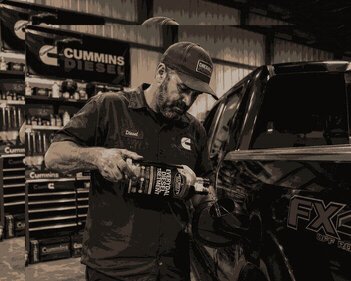
This guide is about choosing the right type of diesel fuel additive for your engine—not another general list of the best products. Start with the problem you are trying to solve, then choose the additive type and product that matches that need. For a product-by-product comparison, see our best diesel fuel additives guide.
If you’ve ever stood in the automotive aisle staring at dozens of diesel fuel additives, you’ve probably asked yourself: “Do these products actually work, and which one is right for my engine?” It’s a fair question. With so many brands claiming to improve fuel economy, clean injectors, increase power, and protect expensive fuel systems, choosing the best diesel fuel additive can quickly become overwhelming.
The truth is, there isn’t a single “best” diesel fuel additive for every diesel engine. A 6.7L Cummins powering a Ram pickup has different fuel system requirements than a Ford Power Stroke, a Duramax, or a Volkswagen TDI. Older mechanical-injection diesels also have completely different lubrication needs compared to today’s sophisticated High-Pressure Common Rail (HPCR) engines.
Modern diesel engines are engineering marvels. Many operate with fuel injection pressures exceeding 30,000 psi, allowing precise fuel atomization that improves combustion efficiency, lowers emissions, and increases horsepower. However, these high-pressure systems are also far less forgiving when it comes to poor-quality fuel.
That’s where diesel fuel additives come in.
A quality diesel additive can help:
- Improve fuel lubricity
- Clean fuel injectors
- Boost cetane number
- Prevent fuel gelling in winter
- Reduce corrosion
- Control moisture
- Stabilize stored diesel fuel
- Protect expensive high-pressure fuel pumps
However, not every additive performs the same job. Some focus on injector detergency, while others are designed primarily as anti-gel treatments or cetane boosters.
In this guide, we’ll break down the best diesel fuel additive for each engine type, including:
- Ford Power Stroke
- Cummins
- Duramax
- Volkswagen TDI
- Older mechanical diesels
- Heavy equipment and agricultural machinery
We’ll also explain the science behind diesel additives so you understand exactly what you’re putting into your fuel tank—and why.
Best Additives For Diesel Engines
| Diesel Engine | Recommended Fuel Additive | Why It Works | Recommendation |
|---|---|---|---|
| Ford 6.0L / 6.4L / 6.7L Power Stroke | Hot Shot’s Secret Everyday Diesel Treatment | Excellent injector cleaning, lubricity improvement, water control, and cetane boost for HPCR fuel systems. | 🏆 Best Overall |
| Ram 5.9L & 6.7L Cummins | Opti-Lube XPD All-Season | Industry-leading lubricity, injector protection, anti-gel performance, and excellent all-season protection. | 🥇 Premium Choice |
| GM 6.6L Duramax | Stanadyne Performance Formula | OEM-trusted formula that improves cetane, injector cleanliness, lubricity, and fuel stability. | ★★★★★ |
| Volkswagen TDI | Liqui Moly Marine Super Diesel Additive* | Strong injector detergents and combustion improvement from a trusted German manufacturer. | ★★★★☆ |
| Mercedes-Benz Sprinter | Hot Shot’s Secret EDT | Helps maintain clean injectors and protects high-pressure fuel components. | ★★★★★ |
| Kubota Diesel Engines | Stanadyne Performance Formula | Ideal for compact tractors, generators, and construction equipment requiring year-round fuel protection. | ★★★★★ |
| John Deere Diesel Engines | Opti-Lube XPD | Outstanding lubricity and corrosion protection for agricultural equipment. | ★★★★★ |
| CAT, Cummins Industrial & Heavy Equipment | Power Service Anti-Gel Diesel Fuel Supplement | Excellent winter protection, anti-gel properties, and fuel conditioner for heavy-duty equipment. | ❄️ Winter Pick |
| Older Mechanical Injection Diesels | Power Service Diesel Kleen + Cetane Boost | Affordable injector cleaner and cetane improver for older rotary and inline injection pumps. | 💰 Budget Pick |
| Marine Diesel Engines | Liqui Moly Marine Super Diesel Additive | Protects against corrosion, moisture contamination, and fuel degradation in marine environments. | 🚤 Marine Choice |
Why Diesel Fuel Additives Matter
Years ago, diesel fuel naturally contained sulfur compounds that provided a certain amount of lubrication for fuel system components. While sulfur created environmental concerns, it also helped protect injection pumps and injectors from wear.
Everything changed when Ultra Low Sulfur Diesel (ULSD) became mandatory.
Today’s ULSD contains 15 parts per million (ppm) sulfur or less, dramatically reducing emissions. While this has been a major environmental success, removing sulfur also reduced the fuel’s natural lubricating properties.
Modern engines compensate through improved materials and tighter manufacturing tolerances, but they’re also much more sensitive to poor fuel quality.
Let’s look at some of the most common issues diesel owners face.
Reduced Lubricity
Every drop of diesel fuel passes through precision-machined components inside the injection pump before reaching the injectors.
In a Bosch CP4 high-pressure fuel pump, for example, diesel fuel acts as both the working fluid and the lubricant. If lubricity is inadequate, excessive metal-to-metal contact can occur, accelerating wear. In severe cases, a damaged high-pressure fuel pump may contaminate the entire fuel system with metal debris, requiring costly repairs.
Many premium diesel additives include lubricity enhancers that help reduce friction and protect these critical components.
Injector Deposits
Fuel injectors rely on microscopic nozzle openings to create an ultra-fine fuel mist.
Over time, carbon deposits, varnish, and combustion by-products can accumulate on injector tips, affecting the spray pattern. Even minor changes in fuel atomization can lead to:
- Rough idle
- Hard starting
- Increased smoke
- Reduced fuel economy
- Loss of horsepower
- Higher emissions
Injector detergent packages found in many diesel additives help dissolve these deposits before they become a serious problem.
Water Contamination
Water is one of diesel fuel’s biggest enemies.
Condensation inside fuel tanks, poor storage practices, or contaminated fuel can introduce water into the system.
Water can cause:
- Corrosion
- Injector wear
- Fuel pump damage
- Microbial growth
- Frozen fuel lines during winter
Many diesel fuel treatments either disperse small amounts of water or help separate it so it can be removed by the fuel-water separator.
Fuel Oxidation
Diesel fuel doesn’t stay fresh forever.
As diesel ages, oxygen slowly reacts with hydrocarbons in the fuel, producing gums, varnish, and sediments that can clog filters and injectors.
This is especially important if you own:
- RVs
- Backup generators
- Boats
- Farm equipment
- Seasonal construction machinery
Fuel stabilizers slow oxidation and extend the storage life of diesel fuel.
Cold Weather Problems
Anyone who has operated diesel equipment during winter understands how quickly cold temperatures can create fuel issues.
As temperatures fall, paraffin wax naturally present in diesel fuel begins to crystallize.
Eventually, these wax crystals clog the fuel filter, starving the engine of fuel.
This process is known as fuel gelling.
Premium winter additives contain anti-gel chemistry that modifies wax crystal formation, allowing fuel to flow at lower temperatures.
Many also include:
- Cold-flow improvers
- Pour point depressants
- Ice inhibitors
These additives are especially valuable for truck drivers operating in northern climates.
Cetane Number Matters
Gasoline engines use octane ratings.
Diesel engines use cetane number.
Cetane measures how readily diesel fuel ignites after injection into the combustion chamber.
Higher cetane fuel generally offers:
- Faster ignition
- Smoother combustion
- Easier cold starts
- Less engine knock
- Reduced white smoke
- Improved throttle response
Many premium diesel additives increase cetane by 2 to 8 points, depending on the formulation.
Although a cetane booster won’t transform engine performance overnight, it can noticeably improve drivability, particularly in older engines or regions where fuel quality varies.
Understanding the Different Types of Diesel Fuel Additives
One of the biggest misconceptions is that every diesel additive performs the same function.
In reality, manufacturers formulate products to solve specific fuel-related problems. Choosing the right additive starts with understanding what each type is designed to do.
Diesel Injector Cleaner
These additives focus on removing carbon deposits, varnish, and injector fouling from the fuel system.
They’re ideal for engines experiencing:
- Rough idle
- Reduced fuel economy
- Loss of power
- Increased exhaust smoke
Injector cleaners help restore proper spray patterns, improving combustion efficiency.
Cetane Boosters
A cetane improver raises the fuel’s ignition quality, allowing it to ignite more quickly after injection.
Benefits include:
- Quieter engine operation
- Faster cold starts
- Reduced white smoke
- Improved combustion efficiency
- Smoother acceleration
Cetane boosters are particularly useful during colder months.
Lubricity Additives
Modern HPCR systems rely on diesel fuel for lubrication.
Lubricity additives form a protective film on moving components inside the injection pump and injectors, reducing wear and extending component life.
They’re especially beneficial for:
- Common rail diesel engines
- High-mileage trucks
- Engines using lower-quality diesel fuel
Anti-Gel Treatments
Winter diesel fuel can begin forming wax crystals well before temperatures reach 0°F.
Anti-gel additives alter the wax crystal structure, allowing fuel to continue flowing through the filter.
Many products also improve:
- Cold filter plugging point (CFPP)
- Cold starts
- Fuel filter performance
Fuel Stabilizers
Fuel stabilizers help prevent oxidation during long-term storage.
If your diesel equipment sits unused for weeks or months, a stabilizer can help preserve fuel quality and reduce the formation of sludge and varnish.
Water Control Additives
Water contamination is a leading cause of corrosion and microbial growth in diesel fuel systems.
Water control additives either:
- Emulsify small amounts of moisture so it passes safely through combustion, or
- Demulsify water, allowing it to separate so the fuel-water separator can remove it.
The right approach depends on the engine manufacturer’s recommendations and the operating environment.
How We Selected the Best Diesel Fuel Additives
Rather than choosing products based solely on popularity, we evaluated each additive using the factors that matter most to diesel owners and fleet operators.
Our recommendations consider:
- Lubricity improvement for protecting high-pressure fuel pumps and injectors.
- Injector cleaning performance to maintain efficient fuel atomization.
- Cetane enhancement for improved combustion and easier starting.
- Cold-weather protection against fuel gelling and filter plugging.
- Compatibility with modern emissions systems, including Diesel Particulate Filters (DPF) and Selective Catalytic Reduction (SCR) systems.
- Value for money, balancing treatment cost with performance benefits.
- Manufacturer reputation and long-standing use within the diesel industry.
- Real-world owner feedback from diesel truck enthusiasts, mechanics, fleet operators, and heavy equipment professionals.
In the next section, we’ll take a closer look at the best diesel fuel additives for specific engine families—starting with Ford Power Stroke, Cummins, and Duramax—and explain why certain products are better suited to each platform than others.
Best Diesel Fuel Additive for Ford Power Stroke Engines
Ford’s Power Stroke diesel engines have earned a reputation for delivering impressive towing power, torque, and reliability. Whether you own an older 6.0L, 6.4L, or a newer 6.7L Power Stroke, proper fuel system maintenance is essential to keeping your truck running efficiently.
The type of additive that’s best for your Power Stroke depends largely on the engine generation.
The 6.0L and 6.4L engines use the Hydraulic Electronic Unit Injector (HEUI) system, where engine oil hydraulically actuates the injectors. While injector stiction is often associated with oil quality, keeping the fuel side clean with a quality diesel additive helps maintain efficient combustion and reduces injector deposits.
The 6.7L Power Stroke, on the other hand, uses a High-Pressure Common Rail (HPCR) fuel system operating at extremely high injection pressures. Like other HPCR systems, it benefits from enhanced fuel lubricity and injector cleanliness.
Our Recommendation: Hot Shot’s Secret Everyday Diesel Treatment (EDT)
| 🏆 Editor’s Choice: Best Overall Diesel Fuel Additive | |
|---|---|

|
Hot Shot’s Secret EDT (Everyday Diesel Treatment) – 4 oz (Pack of 2)
|
| As an Amazon Associate, we may earn from qualifying purchases at no additional cost to you. | |
| 🚛 Best Everyday Diesel Treatment | |
|---|---|

|
HOT SHOT’S Secret Everyday Diesel Treatment (16 oz Squeeze Bottle)
|
| As an Amazon Associate, we may earn from qualifying purchases at no additional cost to you. | |
If you want a single additive that performs well year-round, Hot Shot’s Secret Everyday Diesel Treatment (EDT) is one of the strongest options available.
Why We Recommend It
Unlike products that only clean injectors, EDT combines several protective functions into one formula.
Key benefits include:
- Improves diesel fuel lubricity
- Cleans fuel injectors
- Boosts cetane number
- Helps remove moisture
- Reduces corrosion
- Improves combustion efficiency
- Compatible with ULSD and biodiesel blends
- Safe for DPF, DOC, and SCR emissions systems
Many Power Stroke owners report smoother idle, quieter operation, and improved throttle response after several tanks of treated fuel.
While no additive can repair worn injectors or damaged fuel pumps, using a lubricity-enhancing treatment consistently may help reduce long-term wear on expensive fuel system components.
Best For
- Ford 6.0L Power Stroke
- Ford 6.4L Power Stroke
- Ford 6.7L Power Stroke
- Daily-driven diesel pickups
- Heavy towing applications
Best Diesel Fuel Additive for Cummins Engines
Few diesel engines enjoy the loyal following that Cummins engines do.
From the legendary 5.9L 12-valve mechanical diesel to today’s electronically controlled 6.7L Cummins, these engines are known for exceptional durability. However, modern Cummins engines still rely on extremely precise fuel injection systems that benefit from high-quality diesel fuel.
Many newer Cummins engines use the proven Bosch CP3 high-pressure injection pump, although some applications have used the Bosch CP4, which has received attention within the industry because of its sensitivity to poor fuel lubricity.
Because the fuel pump and injectors depend on diesel fuel for lubrication, protecting them should be a priority.
Our Recommendation: Opti-Lube XPD
| 🥇 Best Premium Diesel Fuel Additive for Cummins Engines | |
|---|---|

|
Opti-Lube XPD All-Season Diesel Fuel Additive (1 Gallon with Pump & Two Empty Bottles)
|
| As an Amazon Associate, we may earn from qualifying purchases at no additional cost to you. | |
| ⚡ Best Cetane Booster for Improved Performance | |
|---|---|

|
Opti-Lube Boost! Formula Diesel Fuel Additive (6-Pack, 8 oz Bottles)
|
| As an Amazon Associate, we may earn from qualifying purchases at no additional cost to you. | |
Among diesel enthusiasts and independent fuel lubrication tests, Opti-Lube XPD consistently ranks as one of the best-performing diesel fuel additives.
Its reputation is built primarily on outstanding lubricity improvement, making it an excellent choice for protecting expensive high-pressure fuel systems.
Why We Recommend It
Opti-Lube XPD offers a balanced package of performance benefits.
Highlights include:
- Exceptional lubricity enhancement
- Injector cleaning detergents
- Cetane improvement
- Corrosion protection
- Water control
- Cold-weather protection
- Suitable for Ultra Low Sulfur Diesel
- Compatible with biodiesel blends
The additive is particularly popular among diesel owners who prioritize long-term fuel system protection over dramatic horsepower gains.
Best For
- 5.9L Cummins
- 6.7L Cummins
- ISX engines
- X15 engines
- Fleet trucks
- Heavy-duty towing
Best Diesel Fuel Additive for Duramax Engines
General Motors’ Duramax engines have become favorites among diesel pickup owners thanks to their smooth operation and impressive power output.
Popular engine generations include:
- LB7
- LLY
- LBZ
- LMM
- LML
- L5P
Every Duramax engine relies on precise fuel atomization through its common rail injection system. Even small injector deposits can affect combustion quality, resulting in increased smoke, reduced fuel economy, and rougher engine operation.
Earlier LML engines equipped with the Bosch CP4 injection pump may particularly benefit from diesel fuel with improved lubricity.
Our Recommendation: Stanadyne Performance Formula
| 🏆 Best Diesel Fuel Additive for Duramax Engines | |
|---|---|

|
Stanadyne Performance Formula Diesel Fuel Additive (16 oz, Case of 12)
|
| As an Amazon Associate, we may earn from qualifying purchases at no additional cost to you. | |
Stanadyne has been involved in diesel fuel system technology for decades, making its Performance Formula one of the most respected diesel additives on the market.
Rather than focusing on a single benefit, it provides a comprehensive fuel treatment suitable for daily use.
Why We Recommend It
Stanadyne Performance Formula combines several important functions.
Benefits include:
- Cleans injector deposits
- Improves lubricity
- Boosts cetane number
- Reduces smoke
- Controls moisture
- Helps prevent corrosion
- Provides cold-weather protection
- Safe for emissions-equipped diesel engines
Many diesel technicians recommend Stanadyne because of its long-standing reputation in the fuel injection industry.
Best For
- Chevrolet Silverado Duramax
- GMC Sierra Duramax
- LML engines
- L5P engines
- High-mileage diesel pickups
- Daily commuting and towing
Comparing These Three Recommendations
At first glance, all three additives appear to offer similar benefits. However, each has strengths that make it particularly well-suited for specific engine families.
| Engine | Recommended Additive | Primary Strength |
|---|---|---|
| Ford Power Stroke | Hot Shot’s Secret EDT | Balanced all-around performance |
| Cummins | Opti-Lube XPD | Industry-leading lubricity protection |
| Duramax | Stanadyne Performance Formula | Injector cleanliness and OEM reputation |
All three products provide:
- Injector cleaning detergents
- Lubricity enhancement
- Cetane improvement
- Water control
- Corrosion inhibitors
- Compatibility with modern emissions systems
The difference lies in their emphasis.
For example, Opti-Lube XPD is often chosen by owners looking for maximum lubricity protection for high-pressure fuel pumps. Stanadyne Performance Formula has earned a strong reputation among diesel technicians and injection system professionals for its comprehensive injector cleaning capabilities. Hot Shot’s Secret EDT strikes an excellent balance between cleaning performance, lubricity, and combustion improvement, making it a versatile choice for everyday driving.
Do You Need to Use Diesel Additives at Every Fill-Up?
One of the most common questions diesel owners ask is whether additives should be used with every tank of fuel.
The answer depends on how you use your vehicle.
If your truck:
- Tows heavy loads regularly
- Accumulates high annual mileage
- Operates in extremely cold climates
- Uses fuel from different stations frequently
- Sits unused for extended periods
- Runs on biodiesel blends
then using a quality diesel treatment consistently can help maintain fuel system cleanliness and provide ongoing lubrication.
For lightly used pickups that primarily see highway driving with fuel from reputable stations, some owners choose to use additives every few tanks or before long trips instead.
Regardless of the schedule, it’s important to follow the manufacturer’s recommended treatment ratio. More additive isn’t necessarily better, and excessive concentrations may not provide additional benefits.
Best Diesel Fuel Additive for Volkswagen TDI Engines
Volkswagen’s Turbocharged Direct Injection (TDI) engines have earned a loyal following thanks to their impressive fuel economy, smooth highway performance, and long engine life. Models equipped with engines like the ALH, BEW, CJAA, and EA288 are capable of delivering hundreds of thousands of miles when properly maintained.
Unlike heavy-duty pickup trucks, TDI engines are designed with an emphasis on efficiency. Their high-pressure common rail fuel systems use finely machined injectors that produce an exceptionally precise fuel spray pattern. Even minor injector deposits can affect combustion quality, resulting in rough idling, reduced fuel economy, increased emissions, or sluggish acceleration.
Because of this precision, TDI owners should choose an additive that prioritizes injector cleanliness and combustion efficiency rather than simply boosting power.
Our Recommendation: Liqui Moly Super Diesel Additive
| 🚤 Best Diesel Additive for Marine Engines | |
|---|---|

|
Liqui Moly Marine Super Diesel Additive (500 ml)
|
| As an Amazon Associate, we may earn from qualifying purchases at no additional cost to you. | |
| 🛡️ Best Additive for Protecting Diesel Particulate Filters (DPF) | |
|---|---|

|
Liqui Moly Diesel Particulate Filter Protection (250 ml)
|
| As an Amazon Associate, we may earn from qualifying purchases at no additional cost to you. | |
Few brands are as closely associated with German engineering as Liqui Moly. The company’s Super Diesel Additive is formulated to clean diesel fuel systems while supporting smoother engine operation.
Why We Recommend It
Liqui Moly focuses on maintaining injector performance and combustion efficiency.
Key benefits include:
- Cleans injector nozzles and fuel system deposits
- Improves fuel atomization
- Reduces combustion deposits
- Helps restore engine performance
- Reduces exhaust smoke
- Supports smoother idle
- Safe for turbocharged diesel engines
- Compatible with modern emissions systems
Many Volkswagen owners use it every few thousand miles as part of routine preventive maintenance rather than waiting until drivability issues appear.
Best For
- Volkswagen Golf TDI
- Jetta TDI
- Passat TDI
- Audi TDI models
- Daily commuters
- High-mileage diesel passenger cars
Best Diesel Fuel Additive for Older Mechanical Diesel Engines
Not every diesel engine relies on sophisticated electronics.
Many older diesel engines continue to use mechanical injection pumps, making them incredibly durable and relatively easy to maintain.
Examples include:
- 12-Valve Cummins
- Detroit Diesel Series engines
- Perkins diesel engines
- Kubota industrial engines
- Yanmar compact diesel engines
- Older agricultural tractors
- Marine diesel engines
These engines generally operate at much lower injection pressures than modern common rail systems. However, they still benefit from cleaner fuel and additional lubricity, particularly because today’s Ultra Low Sulfur Diesel (ULSD) contains less natural lubrication than the fuel these engines were originally designed to use.
Over time, injector nozzles and injection pumps can accumulate varnish and carbon deposits, reducing fuel delivery efficiency.
Our Recommendation: Power Service Diesel Kleen +Cetane Boost
| 💰 Best Budget Diesel Fuel Additive | |
|---|---|

|
Power Service Diesel Kleen + Cetane Boost (26 oz, Pack of 12)
|
| As an Amazon Associate, we may earn from qualifying purchases at no additional cost to you. | |
| ❄️ Best Winter Diesel Fuel Additive | |
|---|---|

|
Power Service Anti-Gel Diesel Fuel Supplement with Cetane Boost (64 oz)
|
| As an Amazon Associate, we may earn from qualifying purchases at no additional cost to you. | |
One of the most recognizable names in diesel fuel treatment is Power Service Diesel Kleen +Cetane Boost.
This additive has been used by diesel owners for decades and continues to be a popular choice for older engines because of its balanced formula.
Why We Recommend It
Power Service Diesel Kleen offers several useful benefits.
Highlights include:
- Cleans injectors
- Restores injector spray pattern
- Improves lubricity
- Increases cetane number
- Helps improve throttle response
- Reduces exhaust smoke
- Widely available
- Excellent value
Owners of older diesel pickups often report smoother acceleration and easier cold starting after using Diesel Kleen regularly.
Best For
- Older Cummins engines
- Mechanical injection systems
- Farm tractors
- Diesel generators
- Marine diesels
- Classic diesel trucks
Best Diesel Fuel Additive for Heavy Equipment
Construction equipment operates under very different conditions than highway vehicles.
Machines such as:
- Excavators
- Bulldozers
- Wheel loaders
- Skid steers
- Backhoes
- Agricultural tractors
- Forestry equipment
often spend long hours idling before working under heavy loads.
Unlike passenger vehicles that receive fresh fuel every week, heavy equipment may store diesel fuel for extended periods in on-site tanks, increasing the risk of contamination and oxidation.
Water contamination is another common issue, particularly in outdoor storage tanks where condensation forms as temperatures fluctuate.
Our Recommendation: Howes Diesel Treat
| 🚛 Convenient Diesel Additive Storage Solution | |
|---|---|

|
DieselDock V2 Diesel Additive Holder (Compatible with Howes Diesel Treat)
|
| As an Amazon Associate, we may earn from qualifying purchases at no additional cost to you. | |
Howes Diesel Treat has developed a strong reputation among trucking companies, farmers, and equipment operators.
Its formula focuses on fuel conditioning rather than simply boosting horsepower.
Why We Recommend It
Howes Diesel Treat provides multiple benefits that are valuable for equipment operating in demanding environments.
Key advantages include:
- Improves lubricity
- Controls moisture
- Helps prevent injector deposits
- Protects stored diesel fuel
- Supports easier cold starts
- Helps prevent winter fuel gelling
- Safe for modern diesel emissions systems
For equipment owners maintaining multiple machines, a versatile additive like Howes can simplify fuel management throughout the year.
Best For
- Construction fleets
- Agricultural equipment
- Mining equipment
- Municipal fleets
- Backup generators
- Bulk fuel storage
Best Diesel Fuel Additive for Biodiesel Blends
Biodiesel has become increasingly common in many parts of North America.
Most drivers regularly encounter fuel blends such as:
- B5 (5% biodiesel)
- B10
- B20
Biodiesel offers environmental advantages, but it also behaves differently than conventional petroleum diesel.
Compared with standard diesel fuel, biodiesel is more likely to:
- Absorb moisture
- Oxidize during storage
- Support microbial growth
- Form sediments over time
These characteristics make fuel stability especially important for equipment that isn’t used daily.
Our Recommendation: Opti-Lube Summer+
| 🧪 Opti-Lube Product Collection | |
|---|---|

|
Empty Summer+ 8oz Bottle
|

|
Empty XL XTREME Lubricant 4oz Bottle
|

|
Empty XPD 8oz Bottle
|
| As an Amazon Associate, we may earn from qualifying purchases at no additional cost to you. | |
Opti-Lube Summer+ is designed specifically for warmer-weather operation and long-term fuel protection.
Its formula emphasizes fuel stability while continuing to provide excellent lubrication.
Why We Recommend It
Benefits include:
- Outstanding lubricity
- Fuel stabilization
- Corrosion protection
- Injector detergents
- Water management
- Oxidation resistance
- Suitable for biodiesel blends
For seasonal equipment owners, Summer+ helps maintain fuel quality between uses.
Best For
- Biodiesel users
- Farm equipment
- Seasonal machinery
- Backup generators
- Stored diesel fuel
Choosing the Right Additive for Your Driving Style
Selecting the right diesel additive isn’t just about your engine—it also depends on how you use your vehicle.
Here are some common scenarios:
Daily Commuting
If you drive your diesel vehicle every day, a balanced additive that cleans injectors and improves lubricity is usually sufficient.
Recommended choices:
- Hot Shot’s Secret EDT
- Stanadyne Performance Formula
- Liqui Moly Super Diesel Additive
Heavy Towing
Pulling trailers places higher demands on the fuel system.
A lubricity enhancer combined with a cetane booster can help maintain consistent combustion under load.
Recommended choices:
- Opti-Lube XPD
- Hot Shot’s Secret EDT
Winter Driving
Cold temperatures can quickly turn untreated diesel fuel into a headache.
In regions where temperatures frequently fall below freezing, use a dedicated winter formula before fuel begins to gel.
Recommended choices:
- Power Service Diesel Fuel Supplement (White Bottle)
- Howes Diesel Treat
Long-Term Fuel Storage
Fuel sitting unused for months can degrade through oxidation and moisture contamination.
Whether you’re storing diesel for an RV, generator, boat, or farm equipment, a fuel stabilizer is one of the best investments you can make.
Recommended choices:
- Howes Diesel Treat
- Opti-Lube Summer+
High-Mileage Diesel Trucks
Engines with well over 100,000 miles often benefit from regular injector cleaning and lubricity enhancement.
While additives won’t reverse mechanical wear, they can help maintain injector efficiency and reduce additional deposit buildup.
Recommended choices:
- Stanadyne Performance Formula
- Power Service Diesel Kleen
- Hot Shot’s Secret EDT
One Size Doesn’t Fit All
After reviewing these engine categories, one thing becomes clear: the best diesel fuel additive depends on your engine design and how you use your vehicle.
A compact Volkswagen TDI commuting 500 miles each week has different fuel system needs than a bulldozer working on a construction site or a Ram 3500 towing a fifth-wheel trailer across the country.
The good news is that today’s premium diesel additives are designed to address specific challenges, whether that’s improving fuel lubricity, cleaning injector deposits, boosting the cetane number, preventing cold-weather gelling, or stabilizing stored fuel.
Choosing an additive that matches your engine and operating conditions can help keep your diesel running smoothly while supporting long-term fuel system performance.
Diesel Fuel Additive Comparison Table
With so many diesel fuel additives available, it’s easy to become overwhelmed. While each product serves a similar purpose, they excel in different areas depending on your engine type and operating conditions.
The table below summarizes our recommendations to help you quickly identify the best choice for your diesel engine.
| Diesel Fuel Additive | Injector Cleaner | Cetane Boost | Lubricity | Anti-Gel | Water Control | Best For |
|---|---|---|---|---|---|---|
| Hot Shot’s Secret EDT | ✔ | ✔ | ★★★★★ | ✔ | ✔ | Ford Power Stroke |
| Opti-Lube XPD | ✔ | ✔ | ★★★★★ | ✔ | ✔ | Cummins |
| Stanadyne Performance Formula | ✔ | ✔ | ★★★★☆ | ✔ | ✔ | Duramax |
| Liqui Moly Super Diesel Additive | ★★★★★ | ✔ | ★★★★☆ | ✖ | ✖ | Volkswagen TDI |
| Power Service Diesel Kleen + Cetane Boost | ✔ | ✔ | ★★★★☆ | ✖ | ✖ | Older Mechanical Diesels |
| Howes Diesel Treat | ✔ | ✖ | ★★★★☆ | ★★★★★ | ✔ | Heavy Equipment & Winter Use |
As you can see, no single additive dominates every category. Some prioritize injector cleanliness, while others focus on lubricity or cold-weather performance. Selecting the right additive depends on your engine, climate, and how you use your diesel vehicle.
When Should You Use Diesel Fuel Additives?
A common misconception is that diesel additives should only be used when something goes wrong. In reality, many diesel owners use them as preventive maintenance, much like changing engine oil or replacing fuel filters.
Let’s look at the situations where additives provide the greatest benefit.
1. During Every Fill-Up
Many fleet operators and long-haul truck drivers add fuel treatment at every tank.
Consistent use helps:
- Maintain injector cleanliness
- Improve fuel lubricity
- Prevent deposit formation
- Protect high-pressure fuel pumps
- Support efficient combustion
This approach is particularly beneficial for modern High-Pressure Common Rail (HPCR) engines, where precision components operate under extremely high pressures.
2. Before Winter Arrives
Cold weather is one of diesel fuel’s biggest challenges.
As temperatures drop, paraffin wax naturally present in diesel fuel begins to crystallize. These wax crystals eventually clog the fuel filter, starving the engine of fuel.
Using an anti-gel additive before freezing temperatures arrive can help prevent:
- Fuel filter plugging
- Hard starting
- Fuel starvation
- Frozen fuel lines
- Reduced fuel flow
If you regularly drive in northern climates, winter additives are almost essential.
3. Before Long-Term Storage
Diesel fuel slowly deteriorates over time.
If your equipment sits unused for several months, untreated fuel may develop:
- Oxidation
- Gum formation
- Sediment
- Varnish
- Water contamination
This commonly affects:
- Motorhomes
- Boats
- Backup generators
- Farm tractors
- Construction equipment
A quality fuel stabilizer helps preserve diesel quality until the equipment returns to service.
4. After Filling Up at an Unknown Fuel Station
Not all diesel fuel is created equal.
Fuel quality varies depending on:
- Supplier
- Storage conditions
- Seasonal blending
- Turnover rate
- Maintenance of underground tanks
If you’re traveling and fueling at an unfamiliar station, adding a diesel treatment can provide additional lubricity and detergent protection.
5. When Towing Heavy Loads
Heavy towing increases engine load, combustion temperatures, and fuel demand.
Many truck owners towing:
- Fifth-wheel campers
- Horse trailers
- Construction equipment
- Boats
choose additives with lubricity enhancers and cetane improvers to help maintain smooth combustion under sustained load.
6. For High-Mileage Engines
Diesel engines with more than 100,000 miles often benefit from periodic injector cleaning.
Carbon deposits gradually accumulate over thousands of combustion cycles.
Cleaning these deposits may help:
- Restore idle quality
- Reduce smoke
- Improve throttle response
- Recover lost fuel economy
Common Diesel Fuel Problems Additives Can Help Prevent
Although diesel additives aren’t miracle products, they can reduce the likelihood of several common fuel system issues.
Injector Deposits
Modern injectors contain microscopic nozzle openings that must produce an extremely fine fuel mist.
Deposits interfere with proper atomization.
Symptoms include:
- Rough idle
- Hard starting
- Poor acceleration
- Black smoke
- Increased fuel consumption
Injector detergents gradually remove these deposits.
High-Pressure Fuel Pump Wear
Modern diesel injection pumps depend on fuel lubrication.
Reduced lubricity may increase wear on internal components.
Premium additives improve the fuel’s lubricating properties, helping reduce metal-to-metal contact.
Water Contamination
Water inside the fuel system can cause:
- Corrosion
- Rust
- Injector damage
- Fuel pump wear
- Microbial contamination
Many additives improve moisture control and complement the vehicle’s fuel-water separator.
Fuel Gelling
Winter temperatures can cause diesel fuel to lose flow characteristics.
Anti-gel treatments modify wax crystal formation before they block the fuel filter.
Low Cetane Fuel
Poor-quality diesel sometimes has a lower cetane rating.
Low cetane fuel may cause:
- Longer ignition delay
- Rough combustion
- Increased white smoke
- Hard cold starts
- Engine knock
Cetane boosters help improve combustion quality.
Fuel Oxidation
Stored diesel fuel gradually breaks down through oxidation.
Fuel stabilizers slow this process, helping preserve fuel quality during long storage periods.
How to Choose the Right Diesel Fuel Additive
Instead of buying the most expensive bottle on the shelf, consider your engine’s specific needs.
If You Own a Modern Common Rail Diesel
Examples include:
- Ford 6.7 Power Stroke
- Ram 6.7 Cummins
- Duramax L5P
- Volkswagen TDI
Look for:
- Excellent lubricity
- Injector detergents
- Cetane improver
- Water control
- DPF-safe formulation
Recommended:
- Hot Shot’s Secret EDT
- Opti-Lube XPD
- Stanadyne Performance Formula
If You Drive an Older Mechanical Diesel
Mechanical injection systems generally benefit from:
- Injector cleaners
- Lubricity enhancers
- Moderate cetane boost
Recommended:
- Power Service Diesel Kleen
If You Operate Heavy Equipment
Construction and agricultural equipment often encounter:
- Long idle periods
- Bulk fuel storage
- Water contamination
- Seasonal operation
Choose an additive emphasizing:
- Fuel stabilization
- Moisture control
- Lubricity
- Anti-gel protection
Recommended:
- Howes Diesel Treat
If You Live in Cold Climates
Winter performance becomes the top priority.
Look for products offering:
- Anti-gel chemistry
- Cold flow improvers
- Pour point depressants
- Lubricity enhancement
A dedicated winter formula is generally more effective than a standard diesel treatment alone.
If Fuel Economy Is Your Main Goal
No additive can suddenly improve fuel economy by several miles per gallon.
However, keeping injectors clean and maintaining efficient combustion can help your engine operate as designed.
Benefits may include:
- Smoother idle
- Cleaner combustion
- Improved throttle response
- More consistent fuel economy over time
Think of fuel additives as preventive maintenance rather than performance upgrades.
Myth vs. Reality: Diesel Fuel Additives
Because diesel additives have been around for decades, plenty of myths continue to circulate. Understanding what these products can—and cannot—do helps set realistic expectations.
| Myth | Reality |
|---|---|
| Diesel additives dramatically increase horsepower. | Most additives are formulated to protect the fuel system, improve combustion efficiency, and maintain engine performance—not produce large horsepower gains. |
| Premium diesel fuel never needs additives. | High-quality fuel is beneficial, but additives can still provide extra lubricity, injector cleaning, moisture control, and seasonal protection. |
| More additive is always better. | Over-treating fuel offers little additional benefit and may not follow the manufacturer’s recommended concentration. Always use the specified dosage. |
| Diesel additives can repair worn injectors or fuel pumps. | Additives help prevent deposits and reduce wear, but they cannot reverse mechanical damage or replace necessary repairs. |
| All diesel additives are the same. | Formulations vary widely. Some emphasize injector cleaning, while others focus on lubricity, cetane improvement, anti-gel protection, or fuel stabilization. |
By understanding these differences, you can choose an additive that matches your engine’s needs instead of relying on marketing claims alone.
In the final section (Part 5), we’ll answer the most frequently asked questions about diesel fuel additives, discuss whether they really work, explain how often they should be used, and provide our final recommendations for each engine type and driving situation.
Frequently Asked Questions About Diesel Fuel Additives
Choosing the right diesel fuel additive often raises plenty of questions, especially if you’re new to owning a diesel-powered vehicle. Below are answers to some of the most common questions asked by truck owners, fleet managers, mechanics, and equipment operators.
Do Diesel Fuel Additives Really Work?
Yes—but it’s important to understand what they are designed to do.
A quality diesel fuel additive cannot repair worn injectors, fix a failing fuel pump, or restore a damaged engine. However, many premium additives can improve fuel quality by providing benefits such as:
- Cleaning injector deposits
- Increasing fuel lubricity
- Raising the cetane number
- Preventing fuel gelling in cold weather
- Controlling moisture
- Slowing fuel oxidation during storage
Numerous independent laboratory tests have shown that some additives significantly improve lubricity, which is especially important for protecting modern High-Pressure Common Rail (HPCR) fuel systems. Cleaner injectors also help maintain proper fuel atomization, allowing the engine to burn fuel more efficiently.
Think of diesel additives as preventive maintenance, not miracle products.
Can Diesel Fuel Additives Improve Fuel Economy?
They can—but expectations should be realistic.
No additive will suddenly increase fuel economy by 10% or add dozens of horsepower.
However, if your injectors have accumulated deposits or your engine has been operating on lower-quality fuel, restoring proper injector spray patterns may improve combustion efficiency.
Some drivers notice:
- Slightly improved fuel economy
- Smoother acceleration
- Reduced engine noise
- Easier cold starts
- Less exhaust smoke
The biggest long-term benefit is helping your fuel system continue operating efficiently over thousands of miles.
How Often Should I Use Diesel Fuel Additive?
The answer depends on how you use your diesel engine.
Many owners choose to treat every tank because it provides continuous lubrication and injector cleaning.
Others use additives:
- Every 2–3 fill-ups
- Before long road trips
- During winter months
- Before storing equipment
- After purchasing fuel from an unfamiliar station
Always follow the dosage instructions printed on the product label. Using more additive than recommended generally won’t provide additional protection.
Are Diesel Fuel Additives Safe for Modern Diesel Engines?
Yes—provided you choose a reputable product designed for today’s diesel engines.
Most premium diesel additives are compatible with modern emissions equipment, including:
- Diesel Particulate Filters (DPF)
- Selective Catalytic Reduction (SCR)
- Diesel Oxidation Catalysts (DOC)
Always verify that the manufacturer specifically states the product is safe for emissions-equipped vehicles before using it.
What’s the Difference Between an Injector Cleaner and a Diesel Fuel Treatment?
Many people use these terms interchangeably, but they aren’t always the same.
An injector cleaner focuses primarily on removing carbon deposits from injectors and restoring proper spray patterns.
A complete diesel fuel treatment usually combines several functions, including:
- Injector detergents
- Lubricity enhancers
- Cetane improvers
- Water control
- Corrosion inhibitors
- Fuel stabilizers
- Anti-gel protection (in some formulas)
If you want comprehensive fuel system protection, a complete diesel treatment is usually the better option.
Can Diesel Additives Prevent Fuel Gelling?
Only additives specifically formulated as anti-gel treatments can help prevent fuel gelling.
When temperatures drop, paraffin wax naturally present in diesel fuel begins forming crystals. As these crystals grow, they can clog the fuel filter and restrict fuel flow.
Winter diesel additives modify wax crystal formation, helping fuel remain pumpable at lower temperatures.
If you live in northern climates, add the anti-gel treatment before temperatures reach freezing.
Are Diesel Fuel Additives Safe for Biodiesel?
Most modern diesel additives are compatible with common biodiesel blends such as:
- B5
- B10
- B20
Because biodiesel tends to absorb more moisture than conventional diesel fuel, additives that provide water control and oxidation resistance can be particularly beneficial.
Always confirm compatibility with your engine manufacturer’s recommendations.
Can Diesel Additives Restore Lost Engine Power?
If the loss of power is caused by dirty injectors or poor fuel quality, an additive may help restore performance over time.
However, if the engine has mechanical issues such as:
- Worn injectors
- Failed turbocharger
- Plugged fuel filter
- Low compression
- Damaged high-pressure fuel pump
an additive will not solve the problem.
Proper diagnosis should always come before relying on fuel treatments.
Which Diesel Fuel Additive Is Best Overall?
There isn’t a universal answer because every engine has different operating requirements.
Here’s a quick summary of our recommendations:
| Engine Type | Recommended Diesel Fuel Additive | Top Pick |
|---|---|---|
| Ford Power Stroke | Hot Shot’s Secret Everyday Diesel Treatment | 🏆 Best Overall |
| Cummins | Opti-Lube XPD | 🥇 Premium |
| Duramax | Stanadyne Performance Formula | ⭐ OEM Choice |
| Volkswagen TDI | Liqui Moly Super Diesel Additive | 🇩🇪 European |
| Older Mechanical Diesels | Power Service Diesel Kleen + Cetane Boost | 💰 Best Value |
| Heavy Equipment | Howes Diesel Treat | 🚜 Heavy Duty |
| Winter Operation | Power Service Diesel Fuel Supplement (White Bottle) | ❄️ Anti-Gel |
Each product excels in a different area, whether it’s lubricity enhancement, injector cleaning, cold-weather protection, or fuel stabilization.
Final Verdict
The best diesel fuel additive isn’t necessarily the one with the biggest marketing claims—it’s the one that matches your engine, your driving habits, and your operating conditions.
Modern diesel engines are far more advanced than those built just a couple of decades ago. High-pressure common rail systems, precision injectors, turbochargers, Diesel Particulate Filters (DPF), and Selective Catalytic Reduction (SCR) systems all depend on clean, high-quality fuel to perform reliably.
A premium diesel fuel additive can help by:
- Protecting expensive fuel pumps and injectors through improved lubricity
- Cleaning carbon deposits that affect injector spray patterns
- Increasing the cetane number for smoother combustion
- Reducing moisture-related corrosion
- Preventing fuel gelling during winter
- Stabilizing diesel fuel during long-term storage
While additives won’t fix worn-out components or replace proper maintenance, they can play an important role in extending the life of your fuel system and maintaining engine performance.
Our Top Picks
🏆 Best Overall: Hot Shot’s Secret Everyday Diesel Treatment (EDT)
🥇 Best for Cummins: Opti-Lube XPD
🚛 Best for Duramax: Stanadyne Performance Formula
🔥 Best for Ford Power Stroke: Hot Shot’s Secret EDT
🇩🇪 Best for Volkswagen TDI: Liqui Moly Super Diesel Additive
💰 Best Budget Choice: Power Service Diesel Kleen + Cetane Boost
🚜 Best for Heavy Equipment: Howes Diesel Treat
❄️ Best Winter Additive: Power Service Diesel Fuel Supplement (White Bottle)
Ultimately, the most effective strategy is to pair high-quality diesel fuel, regular fuel filter replacements, and a reputable diesel fuel additive as part of your routine maintenance schedule. This proactive approach can help keep injectors clean, support efficient combustion, protect critical fuel system components, and keep your diesel engine performing at its best for years to come.