How DEF Helps Meet Emission Standards: By Reducing NOx

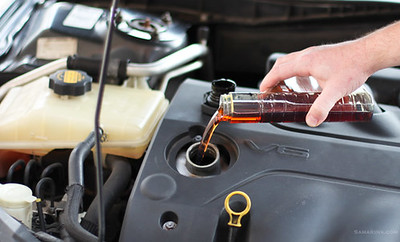
Diesel Exhaust Fluid (DEF) plays a pivotal role in helping diesel engines meet stringent emission standards by significantly reducing nitrogen oxide (NOx), a primary pollutant of concern. The technical effectiveness of DEF can be understood through its composition, the mechanism of Selective Catalytic Reduction (SCR) technology, and the measurable impact on emission reductions. Composition and […]

How DEF Helps Meet Emission Standards: By Reducing NOx Read More »

Rapeseed to Diesel: Can You Make Fuel From It?

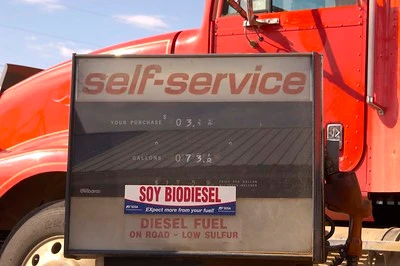
You can indeed make diesel fuel from rapeseed. This process involves converting the oil extracted from rapeseed into biodiesel, a renewable and biodegradable fuel. Here’s how it generally works: Rapeseed biodiesel is a sustainable alternative to conventional diesel fuel. It produces significantly less carbon dioxide and other greenhouse gases when burned, contributing to a reduction

Rapeseed to Diesel: Can You Make Fuel From It? Read More »

Impact of Sulfur Content in Diesel Fuel (Cost Implications)

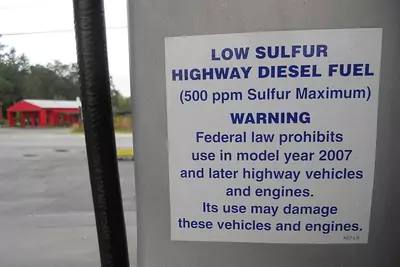
The sulfur content in diesel fuel significantly impacts both the environment and the performance of diesel engines, particularly in the context of emissions control technologies. Here’s an overview of its impact: Environmental Effects of Sulfur in Diesel Fuel Air Pollution and Emissions Contribution to Acid Rain Particulate Matter Emissions The sulfur content in diesel fuel

Impact of Sulfur Content in Diesel Fuel (Cost Implications) Read More »

Health Risks Associated with Exposure to Diesel Fuel

Exposure to diesel fuel, particularly its fumes, poses several health risks, which can be categorized based on the duration and level of exposure: Short-term Exposure Long-term Exposure You Need to Understand This Occupational Exposure Limits Exposure to diesel fuel, especially its fumes, poses significant health risks. The severity of these risks depends on the concentration

Health Risks Associated with Exposure to Diesel Fuel Read More »

What Are the Signs of Poor-Quality Diesel Fuel in an Engine?

Poor-quality diesel fuel in an engine can manifest through several technical signs, each indicative of specific issues related to the fuel’s properties: Category Symptom Description and Technical Concepts Visible and Audible Signs Excessive Smoke Emissions: Black Smoke Indicates incomplete combustion due to high carbon content. Low cetane number (below 40) contributes to this. Excessive Smoke

What Are the Signs of Poor-Quality Diesel Fuel in an Engine? Read More »

What Additives Are Commonly Used in Diesel? (Best for You)

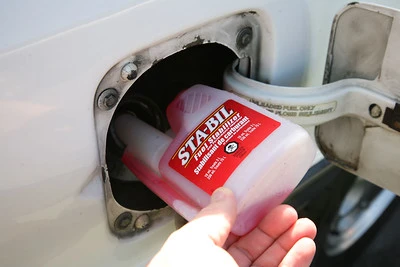
Diesel fuel often includes additives to improve its performance and longevity. These serve various purposes: These additives, in their specific concentrations, play a vital role in maintaining the performance, efficiency, and longevity of diesel engines, especially in meeting the rigorous demands of modern diesel technology and environmental regulations. Read related article: Can Diesel Fuel Be

What Additives Are Commonly Used in Diesel? (Best for You) Read More »

Are Diesel Engines Noisier & Less Smooth Than Gas Engines?

Diesel engines are typically noisier and less smooth than gasoline engines, mainly due to their operational differences and the nature of diesel fuel. Here are the key reasons: The inherent differences in the combustion process, fuel characteristics, and engine design between diesel and gasoline engines contribute to the former’s noisier and less smooth operation. While

Are Diesel Engines Noisier & Less Smooth Than Gas Engines? Read More »

What Causes Black Smoke in Diesel Engines? (How to Fix)

In diesel engines the issue is typically caused by a few common issues: Primary Causes of Black Smoke in Diesel Engines Incomplete Combustion Over-Fueling Clogged or Dirty Air Filters Faulty Injectors Each of these issues requires specific diagnostic and repair strategies. Regular maintenance and periodic checks can help identify and fix these problems early, preventing

What Causes Black Smoke in Diesel Engines? (How to Fix) Read More »

Scroll to Top