
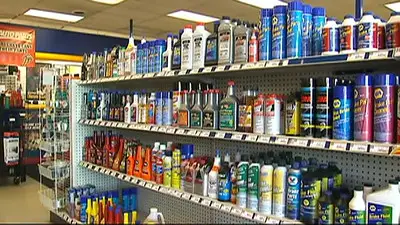
If you’re looking for the best diesel fuel additive, the first thing to know is that there isn’t one bottle that is automatically best for every diesel engine. A pickup that needs injector cleaning has a different problem from a tractor sitting in storage, a truck preparing for winter, or an older diesel that needs extra lubricity.
That’s why this guide focuses on what you want the additive to do, rather than simply giving you a long list of popular bottles. I’ve grouped the leading choices by their strongest use case so you can match the treatment to your fuel, engine, and operating conditions.
Quick answer: For a versatile all-season treatment, Opti-Lube XPD is one of the strongest choices to consider. For injector cleaning and cetane improvement, Hot Shot’s Secret Diesel Extreme is worth a look. For winter protection, Howes Diesel Treat is a strong choice. For maximum lubricity, Opti-Lube XL Xtreme is designed specifically around that goal. For water-contaminated or stored diesel, the treatment you need is different again.


Best Diesel Fuel Additives at a Glance
| Best for | Our pick | Why consider it? |
|---|---|---|
| Best overall | Opti-Lube XPD | Broad all-season approach covering lubricity, cleaning, water control, stability and cetane improvement. |
| Best for injectors | Hot Shot’s Secret Diesel Extreme | Concentrated detergent package aimed at internal and external diesel injector deposits. |
| Best for lubricity | Opti-Lube XL Xtreme | Designed specifically for maximum lubricity improvement. |
| Best for winter | Howes Diesel Treat | Anti-gel and fuel conditioner with lubricity, deposit-control and water-removal claims. |
| Best for DPF/injector cleaning | Lucas Diesel Deep Clean | Diesel-specific detergent treatment designed to clean injectors and reduce particulate buildup. |
| Best for storage | Opti-Lube Preserve | Purpose-built diesel fuel storage stabilizer for fuel that will sit for extended periods. |
| Best for water contamination | Howes Diesel Treat / Power Service Clear-Diesel | These products are designed to address water in fuel, but serious contamination should be drained or serviced rather than treated with a bottle alone. |
1. Best Overall: Opti-Lube XPD All-Season Diesel Fuel Additive
Best for: Drivers who want one everyday diesel fuel treatment rather than a product aimed at only one problem.
Opti-Lube XPD is a practical choice when your goal is broad fuel-system maintenance. The manufacturer describes XPD as its most popular diesel additive and says it addresses lubricity, injector cleanliness, water separation, corrosion protection, fuel stability, cetane improvement and cold-weather support.
That makes it particularly interesting for people who don’t have a single serious fuel problem but want an all-season conditioner. It is also easier to justify than buying several different additives for routine maintenance.
My take: If you asked me for one general-purpose product to investigate first, this is the type of formulation I’d look at. It covers more bases than a treatment designed only as an anti-gel or only as a cleaner.
Check the current Opti-Lube diesel additive lineup
2. Best for Injector Cleaning: Hot Shot’s Secret Diesel Extreme
Best for: Diesel owners primarily concerned with injector deposits, fuel-system cleanliness and cetane improvement.
Hot Shot’s Secret Diesel Extreme is a concentrated injector cleaner and cetane booster. The manufacturer says its detergent package is designed to remove internal and external diesel injector deposits and that the formula also contains lubricity additive and fuel stabilizer.
The manufacturer recommends one 16-ounce bottle for up to 40 gallons of diesel and recommends a treatment approximately every 6,000 miles. Always verify the current label before dosing because product directions can change.
This is one of the better fits when the problem you’re trying to address is dirty injectors rather than simply wanting an anti-gel product.
See Hot Shot’s Secret Diesel Extreme
3. Best for Maximum Lubricity: Opti-Lube XL Xtreme
Best for: Diesel owners who care most about adding lubricity to the fuel.
Lubricity matters because diesel fuel passes through highly loaded fuel pumps and injectors, particularly in modern high-pressure common-rail systems. If lubricity is your main reason for buying an additive, a product designed specifically around lubrication makes more sense than choosing a cleaner simply because it is popular.


Opti-Lube’s lineup includes XL Xtreme Lubricity for users whose primary goal is maximum lubricity. Its XPD product is the broader all-season option, while XL is the more focused choice.
Compare Opti-Lube XPD and XL Xtreme
4. Best for Winter: Howes Diesel Treat
Best for: Diesel vehicles, trucks and equipment operating in cold weather where fuel gelling and fuel-filter icing are concerns.
Howes Diesel Treat is primarily an anti-gel and fuel conditioner. Howes says it helps prevent gelling, adds lubricity, helps control injector deposits and safely removes water from diesel fuel. The product is designed for diesel and biodiesel fuels and is available in several sizes.
One important point: anti-gel treatment is preventive. Once diesel has already gelled, simply adding an anti-gel to the tank is not the same as restoring fuel flow. If fuel is already badly gelled or the filter is plugged, follow the product manufacturer’s emergency procedure or have the system serviced.
See Howes Diesel Treat specifications and dosing
5. Best for Diesel Injector and DPF Cleaning: Lucas Diesel Deep Clean
Best for: Diesel owners looking for a diesel-specific detergent treatment aimed at injector and fuel-system deposits.
Lucas Diesel Deep Clean is different from the company’s general-purpose gasoline fuel cleaners. Lucas describes Diesel Deep Clean as a diesel and biodiesel-compatible treatment designed to clean fuel injectors and address particulate matter associated with diesel operation.
Lucas’s current product data sheet says the 16-ounce bottle treats up to 30 gallons of diesel and reports field-test results including improved fuel economy and fewer DPF regeneration events. Those are manufacturer-reported results, not a guarantee that every vehicle will experience the same improvement.
If your goal is periodic cleaning rather than winter protection, this is a product worth comparing with other injector-cleaning treatments.
6. Best for Diesel Fuel Storage: Opti-Lube Preserve
Best for: Generators, farm equipment, boats, backup equipment and vehicles that may sit for extended periods.
Storage is a different problem from everyday fuel treatment. When diesel sits, the priorities become fuel stability, oxidation control, microbial growth management, water control and keeping the tank in good condition.
Opti-Lube specifically lists Preserve Diesel Fuel as its storage stabilizer. If you’re preparing fuel for long-term storage, choose a product that is actually designed for storage rather than assuming a normal injector cleaner is equivalent.
Also remember that an additive cannot compensate for a dirty or water-filled storage tank. Before storing a large quantity of diesel, inspect the tank, remove free water and contamination, and follow the additive’s label directions.
See Opti-Lube’s diesel storage products
7. Best for Water Contamination: Howes Diesel Treat or Power Service Clear-Diesel
Best for: Fuel systems where water contamination or fuel-filter icing is a concern.
Water in diesel is not something to ignore. It can contribute to corrosion, microbial growth, filter problems and fuel-system wear. If there is a significant amount of free water in the tank, the correct solution is to drain and remove the contamination, not simply pour in more additive.
For smaller maintenance situations, Howes Diesel Treat is marketed as a demulsifying treatment that pushes water out of the fuel. Power Service Clear-Diesel is another product specifically designed for fuel and tank cleaning, water removal and long-term fuel stability.
For a large storage tank or serious contamination, treat the additive as part of a broader fuel-maintenance procedure rather than a magic fix.
Howes Diesel Treat | Power Service
What Type of Diesel Fuel Additive Do You Actually Need?
The easiest way to choose a diesel fuel treatment is to start with the problem you are trying to solve.
| Your goal | Look for | Typical product type |
|---|---|---|
| Cleaner injectors | Detergent / deposit-control chemistry | Injector cleaner |
| More lubricity | Lubricity improver | Lubricity additive |
| Better cold-weather protection | Anti-gel / cold-flow improver | Winter diesel treatment |
| Water control | Demulsifier or water-control treatment | Fuel/water treatment |
| Fuel storage | Stabilizer and corrosion protection | Storage stabilizer |
| Microbial contamination | Biocide approved for the fuel system | Diesel biocide |
| Cetane improvement | Cetane improver | Cetane booster |
Diesel Additives for Specific Engines
You will often see searches such as best diesel additive for Cummins, best diesel additive for Duramax or best fuel additive for Ford Powerstroke. In most cases, the engine name alone does not determine the best additive.
Instead, look at the engine’s fuel system, emissions equipment, fuel specification and the problem you are trying to solve. A Duramax that is operating normally in warm weather does not necessarily need the same treatment as a high-mileage truck operating in sub-freezing temperatures.
For modern diesel engines, always check the additive manufacturer’s compatibility information and your vehicle or equipment owner’s manual before use. This is especially important with vehicles equipped with DPF, SCR/DEF and high-pressure common-rail fuel systems.
What Should You Look for in a Diesel Fuel Additive?
- Compatibility: Make sure the product is intended for diesel fuel and your type of diesel system.
- Purpose: A cleaner, anti-gel, lubricity additive, stabilizer and biocide are not interchangeable.
- Treatment ratio: Compare how many gallons one bottle treats rather than comparing bottle prices alone.
- Fuel type: Check whether the product is approved for the diesel or biodiesel blend you use.
- Emissions equipment: Check compatibility with DPF and other emissions systems.
- Manufacturer documentation: Look for a current product data sheet, label and safety data sheet.
- Dosage: Follow the label. More additive is not automatically better.
How Much Diesel Additive Should You Use?
There is no universal diesel additive dosage. One product may treat 30 gallons with 16 ounces, while another may have a completely different concentration. Even the same product can have different treatment rates for normal maintenance and severe conditions.
Use the bottle label or current manufacturer instructions as the final authority. Do not combine the dosage instructions from one product with another product just because the bottles are similar in size.
For example, Hot Shot’s Secret currently lists one 16-ounce bottle of Diesel Extreme for up to 40 gallons, while Lucas lists one 16-ounce bottle of Diesel Deep Clean for approximately 30 gallons. These numbers illustrate why treatment concentration matters more than simply buying the cheapest bottle.
When Are Diesel Fuel Additives Actually Worth It?
This is where diesel additives are often oversold. You do not necessarily need an additive every time you fill the tank.
An additive can make sense when you have a specific objective: improving cold-flow protection, maintaining lubricity, cleaning deposits, stabilizing fuel for storage, controlling water or addressing a fuel-quality issue. It can also be useful as preventive maintenance when the product’s recommended use and your operating conditions justify it.
But an additive is not a substitute for mechanical diagnosis. Hard starting, loss of power, excessive smoke, injector problems, low fuel pressure, repeated DPF regeneration or contaminated fuel can have causes that a bottle of treatment will not fix.
Do Diesel Additives Improve Fuel Economy?
Sometimes, but don’t treat a claimed fuel-economy improvement as guaranteed. Cleaning deposits or improving combustion can help an engine that has a fuel-system problem, but the result depends on the vehicle, fuel, driving conditions and condition of the engine.
Manufacturers sometimes publish test or field results showing fuel-economy improvements. Those results are useful evidence, but they should be described as reported test results rather than a promise that every driver will save the same percentage.
Can You Use More Than One Diesel Additive?
Be careful. Mixing several concentrated additives can make it difficult to know the total treatment rate and whether the products are chemically compatible. Unless the manufacturers specifically indicate that the products can be used together, there is little reason to pour several overlapping treatments into the same tank.
If you need an injector cleaner and an anti-gel, first check whether an all-season product already provides both functions. If you have a severe fuel problem, address the underlying issue rather than stacking products and hoping for a stronger result.
Best Diesel Fuel Additive: My Bottom Line
If you want the best diesel fuel additive, choose based on the job rather than the biggest marketing claim.
- Best overall: Opti-Lube XPD for broad all-season fuel treatment.
- Best for injectors: Hot Shot’s Secret Diesel Extreme for concentrated deposit cleaning and cetane improvement.
- Best for lubricity: Opti-Lube XL Xtreme when lubricity is the main objective.
- Best for winter: Howes Diesel Treat for anti-gel and cold-weather fuel conditioning.
- Best for diesel cleaning: Lucas Diesel Deep Clean for a diesel-specific detergent treatment.
- Best for storage: Opti-Lube Preserve for diesel fuel that will sit for an extended period.
- Best for water concerns: Howes Diesel Treat or Power Service Clear-Diesel, while recognizing that significant free water should be physically drained from the tank.
The most important point is simple: don’t buy a diesel additive because it is popular; buy it because its formulation matches your actual fuel or engine problem. Check the current label, treatment ratio and compatibility information before adding it to your tank.
Related Diesel Additive Guides
- Best Diesel Fuel Additive for Old Engines
- Best Diesel Fuel Additive for Duramax
- Best Diesel Fuel Additive for Cummins
- Best Fuel Additive for Ford 6.0 Diesel
- Best Diesel Fuel Additive for Lubricity
- Diesel Additive for Cold Weather
- Diesel Additive for Storage
- Correct Dosage of Diesel Additive
- Are Diesel Fuel Additives Worth It?
Product information and treatment directions can change. Always verify the current manufacturer’s label and technical documentation before use. DieselFuelHQ may earn a commission from qualifying purchases.
Pingback: Diesel Additives for Cold Weather: Winter Fuel Treatment Guide -
Pingback: Best Diesel Fuel Additive For Cummins (Top 6 Brands) -
Pingback: Best Diesel Fuel Additive for Duramax (7 Suitable Brands) -
Pingback: Best Diesel Fuel Additive for Old Engines -