
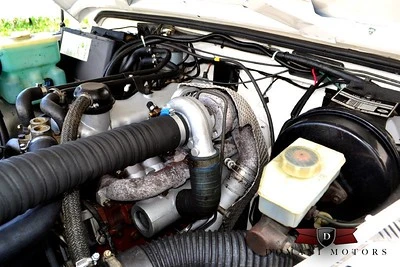
If you’ve been driving a diesel truck for years, you already know one thing—older diesel engines are built differently. Whether it’s a classic 12-valve Cummins, a 7.3L Power Stroke, a first-generation Duramax, or an old mechanical diesel in a tractor, these engines were designed to run on diesel fuel that was very different from what’s available today.
Modern diesel fuel, known as Ultra-Low Sulfur Diesel (ULSD), burns cleaner and produces fewer emissions. That’s great for the environment, but it also contains significantly less sulfur than the diesel fuel older engines were originally engineered to use. Sulfur wasn’t just an unwanted contaminant—it also contributed to the fuel’s natural lubricating properties. Once sulfur was removed, the fuel became less lubricating, which can increase wear on older fuel systems over time.
That’s where a quality diesel fuel additive comes in. If you are comparing the leading products, see our guide to the best diesel fuel additives.
A good diesel additive can help restore lubricity, clean dirty injectors, improve combustion, reduce smoke, disperse small amounts of moisture, and even make cold starts easier. While no additive can repair worn injectors or a failing injection pump, the right product can help your engine run smoother and protect expensive fuel system components from additional wear.
In this guide, we’ll walk through the best diesel fuel additives for old engines, explain what features really matter, and help you choose the right product for your truck, tractor, RV, or diesel-powered equipment.
The Best Diesel Fuel Additives for Old Engines
Now that you know what to look for in a diesel fuel additive, let’s get to the fun part—the products themselves.
There are plenty of diesel additives on the market, but not all of them are created equal. Some are designed specifically for winter weather, while others focus on cleaning injectors or boosting cetane. For older diesel engines, you’ll want products that offer a combination of lubricity, injector cleaning, corrosion protection, and overall fuel system care.
Below are our top picks for older diesel trucks, tractors, RVs, and heavy equipment.
| Product | Description | Amazon |
|---|---|---|

|
Best Overall
Opti-Lube Boost! Formula Diesel Fuel Additive
A premium diesel treatment that improves lubricity, cleans injectors, boosts cetane, and helps protect older diesel fuel systems from wear.
|
Check Price |

|
Mechanical Pumps
Stanadyne Performance Formula Diesel Fuel Additive
Trusted by diesel enthusiasts for older mechanical injection systems. Improves lubricity, cleans injectors, boosts cetane, and protects against corrosion.
|
Check Price |
|
Daily Use
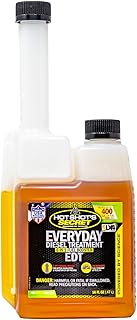
Hot Shot’s Secret Everyday Diesel Treatment (EDT)
Designed for everyday use to improve lubricity, clean injectors, reduce deposits, and enhance combustion in older diesel engines.
|
Check Price |

|
Easy Measuring
Hot Shot’s Secret EDT Squeeze Bottle
The same trusted Everyday Diesel Treatment in an easy-to-measure squeeze bottle for quick, mess-free fueling.
|
Check Price |

|
Accessory
DieselDock V2 Diesel Additive Holder
A convenient holder that keeps diesel additive bottles secure and organized inside your truck. This is an accessory, not a fuel additive.
|
Check Price |

|
Long-Term Storage
STA-BIL Storage Fuel Stabilizer
Keeps diesel fuel fresh during storage, helps prevent corrosion, and protects seasonal vehicles, generators, tractors, and other equipment.
|
Check Price |
1. Opti-Lube XPD All-Season Diesel Fuel Additive
⭐ Best Overall Diesel Additive for Old Engines
If you could only buy one diesel additive for an older engine, Opti-Lube XPD would be our top recommendation.
It consistently ranks among the best products for improving fuel lubricity, which is exactly what many older diesel engines need when running today’s Ultra-Low Sulfur Diesel (ULSD).
Unlike additives that focus on just one benefit, Opti-Lube XPD is designed as a complete fuel treatment. It improves lubricity, cleans injectors, boosts cetane, helps control moisture, and provides corrosion protection—all in one bottle.
Owners of older Ford Power Stroke, Cummins, and Duramax trucks often praise how much smoother their engines feel after using it regularly. Many also report quieter injector operation and improved throttle response.
What We Like
✔ Excellent lubricity protection
✔ Cleans fuel injectors
✔ Improves fuel economy for many drivers
✔ Works year-round
✔ Helps reduce fuel system wear
Potential Drawbacks
- Usually costs more than budget additives
- May not be available at every local auto parts store
Best For
- High-mileage diesel trucks
- Mechanical injection pumps
- Older pickups
- Heavy-duty towing
- Daily drivers
2. Stanadyne Performance Formula
⭐ Best for Mechanical Injection Pumps
Stanadyne has been building diesel fuel injection equipment for decades, so it’s no surprise they also make one of the most respected diesel fuel additives on the market.
If your truck has an older rotary or inline injection pump, this product deserves serious consideration.
Rather than promising flashy horsepower gains, Stanadyne focuses on the fundamentals:
- Fuel lubricity
- Injector cleanliness
- Corrosion protection
- Cetane improvement
- Water control
That’s exactly what older engines need.
Many diesel enthusiasts choose Stanadyne because of its reputation for protecting expensive fuel system components while helping engines maintain smooth, consistent performance.
What We Like
✔ Excellent lubrication
✔ OEM-quality formulation
✔ Helps prevent injector deposits
✔ Good corrosion protection
✔ Trusted by diesel professionals
Potential Drawbacks
- Smaller bottle than some competitors
- Slightly more expensive per treatment
Best For
- Mechanical diesel injection systems
- Older Cummins engines
- Farm equipment
- Classic diesel pickups
3. Hot Shot’s Secret Everyday Diesel Treatment (EDT)
⭐ Best Everyday Diesel Additive
If you’re looking for an additive you can use every time you fill up, Hot Shot’s Secret EDT is one of the best choices available.
Its formula is designed for everyday protection without overcomplicating your maintenance routine.
Hot Shot’s Secret EDT combines several useful benefits into one treatment:
- Increased lubricity
- Injector cleaning
- Cetane boost
- Moisture control
- Fuel stabilizer
- Corrosion protection
Many diesel owners notice smoother idle quality after using it consistently for several tanks.
It’s especially popular among owners who drive their trucks daily and want a simple way to maintain the fuel system.
What We Like
✔ Great daily maintenance product
✔ Helps improve throttle response
✔ Cleans injectors gradually
✔ Easy measuring bottle
✔ Suitable for year-round use
Potential Drawbacks
- Doesn’t provide the strongest injector cleaning available
- Severe deposit buildup may require Diesel Extreme instead
Best For
- Daily commuters
- Work trucks
- Fleet vehicles
- High-mileage pickups
4. Power Service Diesel Kleen + Cetane Boost
⭐ Best Budget-Friendly Choice
Not everyone wants to spend premium prices on fuel additives.
Fortunately, Power Service Diesel Kleen proves you don’t have to.
It’s one of the easiest diesel additives to find, and it’s earned a loyal following among truck owners for delivering solid performance at an affordable price.
Its formula helps:
- Clean injectors
- Improve lubricity
- Increase cetane
- Restore lost power
- Reduce smoke
If you’ve never used a diesel additive before, this is a great place to start.
What We Like
✔ Affordable
✔ Easy to find
✔ Improves engine performance
✔ Good injector cleaner
✔ Trusted for years
Potential Drawbacks
- Lubricity improvement isn’t as strong as premium products
- Not designed specifically for heavy water contamination
Best For
- Budget-conscious owners
- Older daily drivers
- First-time additive users
5. Howes Diesel Treat
⭐ Best for Cold Weather
Winter can be especially hard on older diesel engines.
When temperatures fall below freezing, diesel fuel can begin to gel, making starting difficult—or impossible.
That’s where Howes Diesel Treat shines.
It helps:
- Prevent fuel gelling
- Improve cold-weather starting
- Increase lubricity
- Manage moisture
- Protect injectors
Truck drivers in colder climates have relied on Howes for years because it provides dependable winter protection without relying on alcohol-based formulas.
What We Like
✔ Excellent anti-gel protection
✔ Adds lubricity
✔ Helps disperse moisture
✔ Protects fuel filters
✔ Works well in freezing temperatures
Potential Drawbacks
- Primarily designed for winter use
- Less focused on deep injector cleaning
Best For
- Snowy climates
- Winter hauling
- Cold-weather fleet vehicles
- Seasonal diesel equipment
6. STA-BIL Diesel Formula
⭐ Best for Long-Term Storage
Not every diesel engine is driven every day.
If you own:
- A farm tractor
- Backup generator
- RV
- Classic pickup
- Seasonal equipment
…fuel stability becomes much more important.
Diesel fuel slowly degrades while sitting in the tank.
Over time it can:
- Oxidize
- Form deposits
- Collect moisture
- Promote corrosion
STA-BIL Diesel Formula helps slow these processes, keeping stored fuel fresh while protecting internal fuel system components.
If your diesel sits for several months at a time, this additive is one of the smartest investments you can make.
What We Like
✔ Excellent fuel stabilizer
✔ Helps prevent corrosion
✔ Reduces fuel degradation
✔ Great for seasonal equipment
Potential Drawbacks
- Not intended as a heavy injector cleaner
- Better for storage than daily performance improvements
Best For
- Farm tractors
- RVs
- Boats
- Standby generators
- Collector vehicles
Quick Comparison
Here’s a quick summary of our top recommendations.
| Category | Best Product |
|---|---|
| Best Overall | Opti-Lube XPD |
| Best for Older Mechanical Diesels | Stanadyne Performance Formula |
| Best Everyday Treatment | Hot Shot’s Secret EDT |
| Best Budget Choice | Power Service Diesel Kleen |
| Best Winter Protection | Howes Diesel Treat |
| Best for Long-Term Storage | STA-BIL Diesel Formula |
Our Top Pick
If we had to recommend just one additive for most older diesel engines, Opti-Lube XPD stands out as the best overall choice. Its exceptional lubricity, injector-cleaning ability, and comprehensive fuel system protection make it a strong option for high-mileage trucks and equipment running on modern ULSD.
That said, the “best” additive still depends on how you use your engine. A truck that’s driven every day has different needs than a tractor that sits all winter or a pickup that regularly faces below-freezing temperatures. Matching the additive to your engine’s use will provide the best long-term results.
Why Older Diesel Engines Benefit from a Diesel Fuel Additive
Many people ask, “Do I really need a diesel additive?”
The answer depends on your engine, how you use it, and what condition it’s in. If your diesel engine has a lot of miles, sits for long periods, or still uses a mechanical injection pump, an additive can provide benefits that modern diesel fuel alone may not.
Let’s take a closer look.
Modern Diesel Fuel Isn’t the Same as It Used to Be
Years ago, diesel fuel naturally provided excellent lubrication for fuel pumps and injectors. Older engines were designed with that fuel in mind.
Today’s ULSD contains much less sulfur, which reduces emissions but also lowers the fuel’s natural lubricating ability. Although fuel manufacturers add lubricity enhancers to meet minimum standards, many diesel enthusiasts believe older engines benefit from additional lubrication—especially those with high-mileage fuel systems.
Think of it like changing from conventional oil to synthetic oil. Both protect the engine, but one may provide extra protection under demanding conditions.
Years of Wear Take Their Toll
Every mile your diesel engine travels adds a little wear to critical fuel system components.
After hundreds of thousands of miles, you may begin noticing:
- Hard starting
- Rough idle
- Increased engine noise
- Reduced fuel economy
- More black smoke
- Loss of power
- Sluggish throttle response
In many cases, these symptoms are caused by dirty injectors, carbon buildup, reduced injector spray quality, or normal wear in the injection pump.
What to Look for in a Diesel Fuel Additive
Walk into any auto parts store or browse Amazon, and you’ll find dozens of diesel fuel additives claiming to be the best. One promises better fuel economy. Another advertises more horsepower. Others claim to clean injectors, stop gelling, remove water, or restore lost performance.
It can be overwhelming.
The truth is, there isn’t one perfect additive for every diesel engine. The best product depends on how you use your truck, the age of your engine, your climate, and what problems you’re trying to solve.
Before you spend your money, it’s worth understanding what each type of additive actually does—and which features matter most for older diesel engines.
Lubricity: The Most Important Feature for Older Engines
If you asked a room full of experienced diesel mechanics what they look for first in a fuel additive, many would probably answer with one word: lubricity.
Lubricity refers to diesel fuel’s ability to reduce friction between moving metal parts inside the fuel system.
Older diesel engines rely on the fuel itself to lubricate components such as:
- Injection pumps
- Fuel injectors
- Fuel plungers
- Internal pump bearings
Years ago, diesel fuel naturally provided excellent lubrication because it contained higher levels of sulfur. When Ultra-Low Sulfur Diesel (ULSD) became the standard, most of that sulfur was removed to reduce emissions. While today’s diesel fuel still meets minimum lubricity requirements, many owners of older engines prefer an extra margin of protection.
Think of lubricity like applying grease to a door hinge. The hinge might still work without it, but it won’t operate as smoothly, and it may wear out sooner.
A quality diesel additive helps restore some of that lost lubricity, reducing friction and potentially extending the life of expensive fuel system components.
If your truck has more than 150,000 miles or uses a mechanical injection pump, lubricity should be at the top of your priority list.
Injector Cleaning: Small Deposits Can Cause Big Problems
Diesel injectors operate under extremely high pressure, delivering a fine mist of fuel into the combustion chamber.
Over time, carbon deposits and varnish can accumulate on injector tips.
When that happens, the fuel spray pattern changes.
Instead of producing a fine, even mist, dirty injectors may deliver fuel unevenly, which can lead to:
- Rough idle
- Reduced power
- Poor throttle response
- Increased fuel consumption
- More black smoke
- Hard starting
If your truck doesn’t feel as responsive as it once did, dirty injectors may be part of the problem.
Many premium diesel additives contain detergents that gradually dissolve these deposits as you drive.
Don’t expect instant results after one tank. Cleaning years of buildup takes time. However, many drivers notice smoother operation after several treatments.
Cetane Boost: Easier Starts and Smoother Running
Most gasoline owners are familiar with octane ratings.
Diesel engines use a different measurement called cetane.
Simply put, higher cetane fuel ignites more easily.
That can lead to several noticeable benefits:
- Faster cold starts
- Less engine knock
- Reduced white smoke
- Quieter engine operation
- Improved throttle response
Older diesel engines, especially high-mileage ones, often benefit from a moderate cetane boost.
During cold mornings, higher cetane fuel can make the difference between an engine that fires up quickly and one that cranks for several extra seconds.
If you regularly drive in cooler climates, this feature is definitely worth considering.
Water Control: A Small Problem That Can Become a Big One
Diesel fuel and water don’t mix well.
Unfortunately, water can find its way into diesel fuel through condensation, contaminated fuel, or poorly maintained storage tanks.
Even a small amount of moisture can cause problems over time.
Potential issues include:
- Internal rust
- Corrosion
- Injector damage
- Reduced lubrication
- Fuel filter plugging
- Microbial growth inside the tank
Many diesel additives contain ingredients designed to manage trace amounts of water by dispersing moisture and helping protect metal components from corrosion.
However, it’s important to understand their limitations.
Additives Are Not Magic
A diesel additive can help manage small amounts of moisture, but it cannot remove a large pool of water sitting at the bottom of your fuel tank.
If your water separator fills frequently or you suspect significant contamination, draining the water and replacing the fuel filter is the proper solution.
Think of additives as preventive maintenance—not emergency cleanup.
Corrosion Protection
Older trucks often spend more time parked than newer daily drivers.
Maybe it’s your weekend tow rig.
Maybe it’s an old farm truck.
Maybe it’s a classic diesel pickup you’ve restored over the years.
When diesel fuel sits, condensation can form inside the tank, especially if it’s only partially full.
That moisture can eventually attack metal fuel system components.
Many quality additives include corrosion inhibitors that coat internal metal surfaces and help reduce rust formation.
This extra protection is especially valuable if your vehicle is stored for extended periods or operated in humid or coastal environments.
Fuel Stabilizers for Seasonal Equipment
Not every diesel engine is driven every day.
Some engines may sit for weeks—or even months—between uses.
Examples include:
- Farm tractors
- Skid steers
- Excavators
- Backup generators
- RVs
- Boats
- Seasonal snow removal equipment
As diesel fuel ages, it slowly oxidizes and becomes less stable.
Old fuel can form:
- Gum
- Varnish
- Sediment
- Deposits
These contaminants can clog filters and injectors when the engine is eventually started.
A fuel stabilizer slows this aging process and helps keep diesel fresh during storage.
If your equipment spends part of the year parked, this feature can save headaches later.
Anti-Gel Protection for Cold Weather
If you live somewhere temperatures regularly drop below freezing, anti-gel protection should be high on your checklist.
Cold temperatures can cause paraffin wax naturally found in diesel fuel to crystallize.
As these crystals grow, they can clog the fuel filter.
When that happens, your engine may:
- Lose power
- Stall
- Refuse to start
Winter diesel additives help lower the fuel’s cold-flow properties, reducing the likelihood of fuel gelling.
Many also include lubricity enhancers, making them a smart choice during winter months.
If you only experience freezing temperatures occasionally, you may only need an anti-gel additive seasonally rather than year-round.
Should You Buy an All-in-One Additive?
One question comes up frequently:
“Should I buy separate additives for cleaning, lubricity, and water control?”
For most people, the answer is no.
Today’s premium diesel additives are designed to tackle several jobs at once.
Many all-in-one formulas include:
- Lubricity improvers
- Injector cleaners
- Cetane boosters
- Corrosion inhibitors
- Moisture control
- Fuel stabilizers
Using one high-quality product consistently is often simpler than trying to combine multiple additives.
The only exception is when you’re dealing with a specific problem—such as gelled fuel in winter or heavy injector deposits—which may call for a specialized treatment.
How to Choose the Right Additive for Your Engine
Still unsure which type of additive you need? Here’s a simple guide to help narrow it down.
| If your engine… | Look for… |
|---|---|
| Has over 200,000 miles | High lubricity formula |
| Smokes excessively | Strong injector cleaner |
| Idles roughly | Injector cleaner + cetane boost |
| Is difficult to start in winter | Anti-gel treatment + cetane improver |
| Sits for months at a time | Fuel stabilizer + corrosion protection |
| Is used for towing or heavy work | Premium all-in-one diesel treatment |
| Uses a mechanical injection pump | Maximum lubricity and injector cleaning |
The good news is that many of today’s top-rated additives combine several of these benefits into one bottle, making it easy to protect your engine without overcomplicating your maintenance routine.
In the next section, we’ll review the best diesel fuel additives for old engines, comparing their strengths, ideal use cases, and what makes each one stand out so you can choose the right product for your diesel truck or equipment.
A quality diesel additive helps keep deposits from building up and can gradually clean existing deposits, allowing the fuel system to perform more efficiently.
Fuel System Repairs Are Expensive
One of the biggest reasons diesel owners use additives is prevention.
Replacing a diesel injection pump or a full set of injectors isn’t cheap. Depending on the vehicle, repairs can easily cost hundreds or even thousands of dollars.
While no bottle can guarantee those repairs will never happen, using a reputable additive consistently may help reduce unnecessary wear and extend the life of your fuel system.
Many truck owners consider spending a few dollars on an additive during each fill-up inexpensive insurance compared to major fuel system repairs.
What Makes a Good Diesel Additive for Older Engines?
Walk into any auto parts store, and you’ll probably see dozens of diesel additives on the shelf.
Some promise better fuel economy.
Others advertise injector cleaning.
Some focus on winter protection.
So how do you know which one is actually worth buying?
Here are the features that matter most for older diesel engines.
1. Lubricity Improvement
If there’s one feature you shouldn’t overlook, it’s lubricity.
Lubricity simply refers to the fuel’s ability to reduce friction between moving metal parts.
Older injection pumps rely on diesel fuel itself for lubrication. When fuel doesn’t lubricate well enough, internal wear can gradually increase.
A good additive helps restore some of that lost lubricating protection, allowing fuel pumps and injectors to operate more smoothly.
If your truck has over 200,000 miles, this feature is especially important.
2. Injector Cleaning
Dirty injectors don’t spray fuel as efficiently as clean ones.
Instead of producing a fine mist, clogged injectors may create uneven fuel patterns that reduce combustion efficiency.
The results can include:
- More smoke
- Lower fuel economy
- Rough idle
- Less power
- Increased engine noise
Many premium diesel additives contain detergents that gradually remove carbon deposits from injectors without requiring expensive disassembly.
Don’t expect instant miracles after one tank, but consistent use often produces noticeable improvements over time.
3. Cetane Boost
You may have heard of octane for gasoline engines.
Diesel engines use a different measurement called cetane.
Higher cetane fuel ignites more easily, leading to:
- Faster cold starts
- Quieter combustion
- Less engine knock
- Reduced white smoke
- Smoother operation
Many premium diesel additives include a cetane improver, making them particularly useful during colder weather.
4. Water Control
Water is one of diesel fuel’s biggest enemies.
Even small amounts of moisture can contribute to corrosion inside the fuel system.
Water can also encourage microbial growth—often called “diesel algae”—inside storage tanks.
Many additives help disperse trace moisture and protect metal components from corrosion.
It’s important to understand, however, that additives are designed to manage small amounts of water. If your fuel tank contains a significant amount of free water, it should be drained or separated rather than relying solely on an additive.
5. Corrosion Protection
Older trucks often spend weeks or even months sitting between drives.
During storage, moisture can form inside partially filled fuel tanks.
A quality additive creates a protective barrier that helps reduce corrosion on metal fuel system components.
This can be especially valuable for:
- Classic diesel pickups
- Farm equipment
- RVs
- Backup generators
- Seasonal construction equipment
6. Fuel Stabilization
If your diesel-powered equipment doesn’t get used every week, fuel stabilization becomes important.
Diesel fuel naturally degrades over time.
As it ages, it can oxidize, form deposits, and become less stable.
Fuel stabilizers help slow this process, keeping stored diesel usable for longer periods while helping prevent gum and varnish formation inside the fuel system.
Don’t Expect Miracles
One mistake many first-time buyers make is expecting an additive to fix serious mechanical problems.
Unfortunately, that’s not how they work.
A diesel additive cannot:
- Repair worn injectors
- Fix a failed injection pump
- Replace damaged fuel lines
- Eliminate severe engine wear
- Restore lost compression
Instead, additives are best viewed as preventative maintenance.
Think of them like brushing your teeth.
Brushing won’t repair a cavity that’s already there, but it can help prevent new problems from developing.
The same idea applies to diesel fuel additives.
When used consistently, they help keep the fuel system cleaner, better lubricated, and protected against future wear.
Are Diesel Fuel Additives Worth the Money?
For many owners of older diesel engines, the answer is yes.
The cost of treating a full tank of diesel fuel is usually small compared to the potential cost of injector cleaning or fuel system repairs.
If your truck has accumulated hundreds of thousands of miles, or if it sits for long periods between uses, the added protection can provide peace of mind.
That doesn’t mean you need the most expensive additive on the shelf.
The key is choosing a product that matches your needs—whether that’s improving lubricity, cleaning injectors, managing moisture, or preparing for winter driving.
In the next section, we’ll compare the best diesel fuel additives for old engines, explain the strengths of each product, and help you decide which one offers the best value for your particular diesel engine.
How to Choose the Right Diesel Fuel Additive for Your Engine
By now, you’ve probably noticed something: there isn’t a single diesel fuel additive that’s perfect for everyone.
The best choice depends on your engine, how you drive, where you live, and what you’re trying to accomplish.
Think of it like buying engine oil. You wouldn’t use the same oil in a brand-new pickup that you’d use in a classic diesel tractor with 300,000 miles. Fuel additives work the same way. Choosing the right one means understanding what your engine needs most.
Let’s break it down.
If Your Truck Has High Mileage
If your diesel truck has more than 150,000 to 200,000 miles, your biggest concern should be protecting the fuel system.
Years of use naturally wear down injectors and injection pumps. While normal wear is unavoidable, you can help reduce additional friction with an additive that emphasizes lubricity.
Look for products that offer:
- Excellent lubricity improvement
- Injector cleaning
- Corrosion protection
- Fuel system lubrication
Our Recommendation
Opti-Lube XPD is an excellent choice for high-mileage engines because it focuses heavily on lubricity while also providing injector cleaning and overall fuel system protection.
If You Drive Every Day
Maybe your diesel truck is your daily commuter or your work vehicle.
In that case, consistency is more important than using an aggressive cleaner every tank.
For daily driving, you’ll want an additive that:
- Keeps injectors clean
- Maintains lubricity
- Helps improve combustion
- Prevents deposit buildup
Rather than solving a problem after it appears, these additives help prevent problems from developing in the first place.
Our Recommendation
Hot Shot’s Secret Everyday Diesel Treatment (EDT) is designed specifically for regular use and provides balanced protection without requiring a complicated maintenance schedule.
Simply add it according to the manufacturer’s instructions whenever you fill up.
If Your Engine Has a Mechanical Injection Pump
Many classic diesel engines still use mechanical injection pumps instead of modern common-rail systems.
These older pumps rely heavily on the lubricating properties of diesel fuel.
Since today’s Ultra-Low Sulfur Diesel contains less natural lubrication than older diesel fuel, many owners prefer using an additive that restores some of that lost protection.
Look for:
- Maximum lubricity
- Corrosion protection
- Injector cleaning
- Water control
Our Recommendation
Stanadyne Performance Formula has built an excellent reputation among owners of older diesel engines because it was developed by a company with decades of experience manufacturing diesel fuel injection equipment.
If Your Truck Smokes More Than It Used To
Black smoke isn’t always caused by dirty injectors, but injector deposits can certainly contribute.
Over time, carbon buildup can affect spray patterns, making combustion less efficient.
If your truck has become smokier than usual, an injector cleaner may help restore performance.
Signs include:
- Rough idle
- Increased smoke
- Reduced fuel economy
- Sluggish acceleration
Our Recommendation
Start with Hot Shot’s Secret EDT for routine cleaning.
If your engine has significant deposit buildup, a dedicated cleaner like Hot Shot’s Secret Diesel Extreme can provide a stronger one-time cleaning treatment before switching back to an everyday additive.
If You Live Somewhere With Harsh Winters
Cold weather creates a unique challenge for diesel owners.
As temperatures drop, wax crystals naturally found in diesel fuel can begin to form.
Eventually, these crystals may clog the fuel filter, restricting fuel flow to the engine.
That’s why winter diesel additives include anti-gel protection.
If temperatures regularly fall below freezing where you live, don’t wait until the first cold snap.
Treat your fuel before cold weather arrives.
Our Recommendation
Howes Diesel Treat is an excellent winter additive because it helps prevent fuel gelling while also adding lubricity and moisture protection.
If Your Equipment Sits for Weeks or Months
Some diesel engines spend more time parked than running.
Examples include:
- Farm tractors
- Backup generators
- RVs
- Construction equipment
- Boats
- Classic trucks
Fuel naturally degrades during storage.
Moisture can also form inside partially filled tanks, increasing the risk of corrosion and microbial growth.
If your equipment sits for long periods, fuel stability should be your priority.
Our Recommendation
STA-BIL Diesel Formula is specifically designed for long-term storage, helping keep diesel fuel fresh while protecting the fuel system.
If You’re Looking for the Best Value
Not everyone needs the most expensive additive on the shelf.
Many drivers simply want a dependable product that provides solid protection without stretching the maintenance budget.
Fortunately, there are excellent options that deliver good performance at a reasonable price.
Our Recommendation
Power Service Diesel Kleen + Cetane Boost remains one of the best values available.
It offers:
- Injector cleaning
- Improved lubricity
- Cetane boost
- Better cold starts
- Good overall performance
It’s also widely available at auto parts stores, truck stops, and online retailers.
Can You Switch Between Different Additives?
Absolutely.
Many diesel owners use different additives throughout the year depending on their needs.
For example:
- Spring and Summer: Everyday maintenance additive
- Fall: Fuel stabilizer for seasonal equipment
- Winter: Anti-gel treatment
- Occasionally: Strong injector cleaner
The important thing is to avoid mixing multiple additives in the same tank unless the manufacturers specifically state they’re compatible.
Using one product at the recommended dosage is usually the safest and most effective approach.
More Isn’t Always Better
One common misconception is that adding extra diesel additive provides extra protection.
In reality, that’s usually not true.
Manufacturers carefully formulate their products to work at specific treatment ratios.
Using significantly more than recommended can:
- Waste money
- Reduce effectiveness
- Potentially affect fuel properties
- Provide little or no additional benefit
Always follow the dosage instructions on the product label.
A Simple Buying Guide
If you’re still undecided, here’s a quick cheat sheet to help narrow your choice.
| If your priority is… | Recommended Additive |
|---|---|
| Maximum lubricity | Opti-Lube XPD |
| Mechanical injection pump protection | Stanadyne Performance Formula |
| Everyday maintenance | Hot Shot’s Secret EDT |
| Budget-friendly performance | Power Service Diesel Kleen |
| Winter operation | Howes Diesel Treat |
| Long-term storage | STA-BIL Diesel Formula |
| Heavy injector cleaning | Hot Shot’s Secret Diesel Extreme |
Our Final Buying Advice
If you’ve made it this far, you’re already ahead of most diesel owners.
The biggest takeaway is this: fuel additives work best as preventive maintenance, not as miracle cures.
A quality additive won’t rebuild worn injectors or repair a failing injection pump, but it can help keep your fuel system cleaner, improve lubricity, reduce moisture-related issues, and support smoother engine operation over the long haul.
For most owners of older diesel engines, choosing a reputable additive and using it consistently is far more valuable than constantly switching between products or chasing the latest marketing claims.
In the final section of this guide, we’ll answer some of the most common questions about diesel fuel additives, clear up a few persistent myths, and help you decide whether using an additive is truly worth it for your engine.
Frequently Asked Questions About Diesel Fuel Additives for Old Engines
If you’re new to diesel fuel additives—or you’ve been using them for years—you probably still have a few questions. That’s completely normal. There’s a lot of conflicting information online, and not every claim you read is backed by experience or evidence.
Let’s clear up some of the most common questions diesel owners ask.
Do Older Diesel Engines Really Need a Fuel Additive?
Not necessarily—but many older engines can benefit from one.
Modern diesel fuel is formulated to meet industry standards, so your engine can run without an additive. However, older diesel engines were originally designed to operate on fuel that naturally provided more lubrication than today’s Ultra-Low Sulfur Diesel (ULSD).
A quality diesel additive can help by:
- Improving fuel lubricity
- Cleaning injectors
- Reducing deposit buildup
- Controlling small amounts of moisture
- Protecting against corrosion
- Making cold starts easier
If your truck has high mileage or uses a mechanical injection pump, an additive can be a worthwhile part of your maintenance routine.
Will a Diesel Fuel Additive Increase Horsepower?
Probably not in the way advertisements sometimes suggest.
A diesel additive won’t magically add 20 or 30 horsepower to a healthy engine.
However, if dirty injectors or carbon deposits are preventing your engine from running efficiently, cleaning those deposits may restore some of the performance you’ve gradually lost over time.
Many drivers notice:
- Smoother acceleration
- Better throttle response
- Quieter engine operation
- Less hesitation
Think of it as restoring efficiency rather than creating extra power.
Can Diesel Additives Improve Fuel Economy?
Sometimes.
If your injectors are dirty or your engine isn’t burning fuel efficiently, cleaning the fuel system may improve fuel economy.
The improvement is usually modest rather than dramatic.
Most drivers who notice better mileage report gains of around 1–3%, although actual results vary depending on:
- Engine condition
- Driving habits
- Towing loads
- Terrain
- Weather
Fuel economy shouldn’t be the only reason you buy an additive. Long-term fuel system protection is usually the bigger benefit.
Can Fuel Additives Fix Rough Idle or Hard Starting?
They might help—but only if the cause is fuel-related.
For example, if injector deposits are affecting spray patterns, a quality injector cleaner may improve idle quality over several tanks of fuel.
However, if rough idling is caused by:
- Worn injectors
- Low compression
- Faulty glow plugs
- Air leaks
- Mechanical engine problems
…a fuel additive won’t solve the issue.
It’s important to diagnose the underlying problem instead of assuming an additive is the answer.
Can a Diesel Additive Stop Black Smoke?
It depends on what’s causing the smoke.
Black smoke is often a sign that the engine is receiving more fuel than it can burn efficiently.
Common causes include:
- Dirty injectors
- Restricted air filter
- Turbocharger issues
- Faulty sensors
- Fuel system problems
If injector deposits are contributing to poor combustion, a cleaning additive may reduce smoke over time.
If the smoke is caused by mechanical problems, an additive won’t provide a permanent fix.
Is It Safe to Use Diesel Fuel Additives at Every Fill-Up?
Yes—provided you follow the manufacturer’s recommended dosage.
Many products, including everyday diesel treatments, are specifically designed for continuous use.
Using the proper amount at each fill-up can help maintain:
- Injector cleanliness
- Lubricity
- Fuel stability
- Corrosion protection
Adding significantly more than recommended doesn’t usually provide additional benefits and may simply waste money.
Can I Mix Different Diesel Fuel Additives?
Generally, it’s best not to.
Different manufacturers use different chemical formulations.
Unless the product labels specifically state they’re compatible, avoid mixing multiple additives in the same tank.
If you want to switch brands, simply wait until your next fill-up and begin using the new product according to its instructions.
Keeping your maintenance routine simple often produces the best long-term results.
Which Diesel Additive Is Best for Older Mechanical Injection Pumps?
If your truck has a mechanical injection pump, lubricity should be your top priority.
Products such as Opti-Lube XPD and Stanadyne Performance Formula are well known for their lubricity performance and are popular choices among owners of older diesel engines.
These additives also provide injector cleaning and corrosion protection, making them well suited for aging fuel systems.
Should I Use an Additive if My Truck Sits Most of the Year?
Absolutely.
Diesel fuel naturally changes during long storage periods.
Over time, moisture, oxidation, and contamination can reduce fuel quality.
If your truck, tractor, RV, generator, or boat spends months without being used, consider using a fuel stabilizer designed for diesel fuel.
This can help keep the fuel fresher and reduce the risk of deposits and corrosion while the vehicle is in storage.
Are Premium Diesel Additives Worth the Extra Cost?
It depends on your priorities.
Budget-friendly additives often provide good everyday protection and injector cleaning.
Premium additives may offer:
- Better lubricity
- More comprehensive cleaning packages
- Additional corrosion protection
- Higher-quality ingredient packages
If your diesel engine has high mileage or expensive fuel system components, many owners feel the extra protection is worth the additional cost.
For newer daily drivers, a mid-range additive may provide everything you need.
Common Myths About Diesel Fuel Additives
Let’s separate fact from fiction.
Myth #1: Fuel Additives Can Repair a Worn-Out Engine
False.
Fuel additives cannot repair worn injectors, rebuild injection pumps, restore compression, or fix mechanical failures.
They’re designed to help maintain a healthy fuel system—not replace mechanical repairs.
Myth #2: More Additive Is Better
False.
Using twice as much additive rarely provides twice the protection.
Always follow the manufacturer’s treatment ratio.
Myth #3: Every Diesel Engine Needs the Same Additive
False.
A farm tractor, a daily-driven pickup, and a winter snowplow may all benefit from different additives.
Choose a product based on how your engine is used rather than assuming one formula fits every situation.
Myth #4: Fuel Additives Work Instantly
Not usually.
Some products, such as emergency anti-gel treatments, work quickly.
Injector cleaners and maintenance additives, however, often require several tanks of treated fuel before noticeable improvements appear.
Patience—and consistent use—is key.
Final Verdict
Older diesel engines have earned a reputation for durability, but even the toughest engines benefit from proper fuel system maintenance. With today’s Ultra-Low Sulfur Diesel offering less natural lubrication than the fuel many classic engines were designed to use, a quality diesel additive can be a practical way to help protect injectors, injection pumps, and other fuel system components.
If you’re looking for the best all-around diesel fuel additive for old engines, Opti-Lube XPD stands out thanks to its excellent lubricity, injector-cleaning ability, cetane improvement, and corrosion protection. It’s an excellent choice for high-mileage trucks and owners who want comprehensive fuel system care.
For older engines with mechanical injection pumps, Stanadyne Performance Formula remains a trusted option backed by decades of diesel fuel system expertise.
If you simply want an additive for everyday driving, Hot Shot’s Secret Everyday Diesel Treatment (EDT) offers balanced protection and is easy to use with every fill-up.
No matter which product you choose, remember that consistency is more important than chasing the latest marketing claims. Using a quality additive regularly, buying clean fuel from reputable stations, changing fuel filters on schedule, and addressing mechanical issues promptly will do far more for your engine than any single bottle ever could.
Treat a diesel fuel additive as part of a complete maintenance plan—not a miracle cure—and your old diesel engine will have the best chance of delivering many more years and miles of reliable service.