If you store a diesel generator correctly, you improve the odds that it will start when you actually need it. If you store it carelessly, a generator that ran perfectly before storage can come back with a dead battery, contaminated fuel, corroded terminals, damaged hoses, blocked air passages, or a fuel system full of water and sediment.
In this guide, I’ll show you the storage practices I use for portable, standby, mobile, and commercial diesel generators, including what to do with fuel, batteries, coolant, oil, intake and exhaust openings, cold-weather protection, and the return-to-service process.
Diesel Generator Storage Best Practices at a Glance
| Storage item | What I do | Why it matters |
|---|---|---|
| Location | Keep it dry, secure, ventilated, and out of standing water | Reduces corrosion and electrical damage |
| Fuel | Use clean fuel, control water, follow the long-term fuel procedure | Prevents hard starting and injector/filter problems |
| Engine oil | Check condition; change before long storage when required | Reduces exposure to old contaminated oil |
| Coolant | Check level, concentration, leaks, and freeze protection | Prevents freezing, overheating, and corrosion |
| Battery | Keep charged or remove/store as specified | A weak battery can make the generator useless |
| Intake/exhaust | Protect openings when the manual calls for it | Keeps out moisture, dirt, insects, and rodents |
| Periodic checks | Inspect fuel, battery, leaks, pests, and corrosion | Finds problems before restart |
First, Decide How Long the Generator Will Be Stored
I divide storage into short, medium, and long-term periods because preparation becomes more important as downtime increases. The exact threshold is model-specific. Some Cummins diesel generator manuals call for out-of-service protection after more than 30 days, while other generator manuals use a threshold such as 120 days.



| Storage period | How I treat it | Main priorities |
|---|---|---|
| Less than 30 days | Short term | Dry storage, charged battery, fuel and leak checks |
| 1–3 months | Medium term | Fuel quality, battery maintenance, fluids, moisture control |
| 3–6 months | Longer storage | Manufacturer preservation procedure becomes important |
| 6–12 months | Long term | Fuel protection/testing, battery storage, corrosion control |
| 12+ months | Extended storage | Full preservation plan plus careful recommissioning |
Choose a Dry, Protected Storage Location
I want the generator stored somewhere dry, stable, secure, and protected from direct weather. A sheltered equipment building, generator enclosure, covered equipment bay, or other manufacturer-approved location is better than leaving portable or mobile equipment exposed to rain, standing water, salt spray, snow, or harsh sun for months.
I also look at drainage. A generator on a slab that floods after heavy rain can corrode from underneath even if the top looks fine. I keep water away from the base, fuel tank, electrical connections, and alternator area.
For indoor storage of an out-of-service unit, I still respect fuel and fire-safety rules. Stored indoors does not mean safe to operate indoors. Combustion generators create carbon monoxide and require a properly engineered installation when operated around buildings.
Clean the Generator Before Storage
I prefer to store a clean generator because dirt hides leaks and corrosion. I remove oil residue, fuel residue, dust, mud, leaves, grass, insects, and debris. I inspect underneath for wet spots that can reveal oil, coolant, or diesel leaks.
I clean radiator and ventilation openings carefully, but I avoid blasting high-pressure water into electrical connectors, controllers, alternator windings, sensors, or air-intake components. If the machine worked around salt, fertilizer, concrete dust, or corrosive material, cleaning becomes even more important.
What Should I Do With the Diesel Fuel?
Diesel fuel is one of the biggest storage concerns. Water can enter through condensation, fuel can oxidize, sediment can settle, and microbial contamination can develop where fuel and water meet.
I do not use one blanket rule such as “always drain the tank” or “always fill it completely.” Different diesel generator manufacturers use different preservation procedures. I follow the model-specific instructions and then focus on three goals: keep the fuel clean, keep water out, and do not leave neglected old fuel sitting indefinitely.
| Fuel condition | Possible result | What I do |
|---|---|---|
| Free water | Corrosion, microbial growth, injector damage | Drain separators and inspect the tank |
| Cloudy fuel | Water or cold-temperature problems | Investigate before starting |
| Dark sludge | Possible biological contamination | Test and clean the tank as needed |
| Rust/sediment | Restricted flow and filter plugging | Inspect tank and fuel supply |
| Very old fuel | Poor combustion and deposits | Test, polish, treat, or replace as needed |
If your generator has had repeated water problems, I recommend my guide to water in diesel fuel before storage.
Drain the Fuel/Water Separator
Before long storage, I inspect and drain the fuel/water separator if the generator has one. Leaving water in the separator for months gives corrosion and contamination more time to develop.
If I find more water than expected, I inspect the tank, vent, filler cap, transfer system, and any external day tank instead of assuming the separator is the whole problem.
Should I Use Diesel Fuel Stabilizer?
I only use an additive approved for the engine, fuel system, emissions equipment, and storage purpose. I follow the dosage instructions exactly. Generac’s industrial diesel-fuel guidance recommends fuel treatment and stabilization as part of a broader fuel-health program for generator applications.
I treat additives as one tool, not a substitute for clean fuel, dry tanks, water control, filtration, and inspection. In cold climates, I also make sure the fuel is appropriate for the expected temperature.
Check the Engine Oil Before Long Storage
For short storage, I check oil level and condition. For long storage, I follow the preservation procedure in the manual. Cummins storage instructions for some diesel generator sets call for draining warm crankcase oil, replacing the oil filter, refilling with fresh oil, and tagging the unit with the oil viscosity.
Used oil can contain soot, moisture, acids, and other contaminants. I also repair any obvious oil leak before storage rather than hoping it will still be minor months later.
Check Coolant and Freeze Protection
If the generator is liquid-cooled, I check coolant level, concentration, hose condition, clamps, radiator condition, and freeze protection. Cummins long-term storage guidance specifically includes checking coolant and testing the mixture if freezing temperatures are possible.
| Coolant check | What I look for |
|---|---|
| Level | Correct level when the engine is cool |
| Freeze protection | Adequate for the lowest expected temperature |
| Appearance | No oil film, rust, sludge, or obvious contamination |
| Hoses | No cracks, swelling, soft spots, abrasion, or leaks |
| Radiator | Clean fins and no visible seepage |
I do not mix random coolant types. Heavy-duty diesel engines can require specific coolant chemistry, so I use the specification required by the engine manufacturer.


Take Battery Storage Seriously
A weak battery is one of the fastest ways to turn a stored generator into a no-start. I either keep it on an approved maintainer or remove and store it according to the generator and battery manufacturer.
One Cummins diesel generator manual says that for storage longer than 30 days, the battery cables should be disconnected with the negative cable first and the battery stored in a cool, dry place with periodic charging. Other standby systems are intended to remain connected to an automatic charger. The correct method depends on the generator.
| Battery item | What I want |
|---|---|
| Terminals | Clean and corrosion-free |
| State of charge | Fully charged to battery specification |
| Maintainer | Correct type and operating normally |
| Storage area | Cool, dry, protected as required |
| Battery age | Recorded so an old battery is not forgotten |
Protect the Intake and Exhaust
For long-term storage, some Cummins manuals specifically instruct owners to plug the exhaust outlet so moisture, insects, dirt, and foreign material cannot enter. Other procedures also protect intake openings.
I only do this when the manufacturer calls for it, and I attach a visible tag so nobody starts the generator with a plug still installed. I also inspect for rodent nests and chewed wiring because pests can block air passages and damage harnesses while the machine sits.
Do Not Trap Moisture Under a Plastic Cover
I want dust protection, but I do not want to trap moisture. Cummins portable-generator storage guidance warns against non-porous plastic covers because trapped moisture can promote rust and corrosion.
If I cover portable or mobile equipment, I use a breathable cover only after the generator is completely cool and dry. For a permanent outdoor standby generator, I normally rely on the factory enclosure and keep its vents and drains clear.
Winter Storage Needs Extra Attention
Cold weather makes battery, coolant, fuel, and moisture problems more serious. Caterpillar recommends sheltered storage where possible, maintaining battery charge, draining the fuel/water separator, filling the fuel tank, and checking coolant freeze protection before parking diesel equipment in winter.
| Winter concern | What I do |
|---|---|
| Battery loses cranking performance | Keep fully charged and test condition |
| Coolant can freeze | Verify freeze protection |
| Fuel contains water | Drain separator and inspect tank |
| Fuel can cloud/gel | Use seasonally appropriate fuel and approved treatment |
| Snow/ice buildup | Use sheltered storage and keep openings clear |
What About DEF on Newer Diesel Generators?
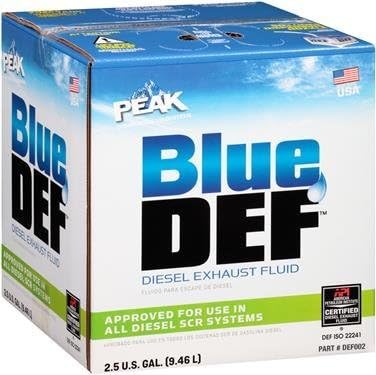
If the generator uses selective catalytic reduction, I include diesel exhaust fluid in the storage plan. A Generac diesel generator manual lists ideal DEF storage at about 23–86°F (-5–30°C) in sealed dedicated containers and states that DEF can remain usable for at least 18 months under those conditions. Higher storage temperatures shorten useful life, and long-stored DEF may need testing before operation.
I never assume old or contaminated DEF is acceptable just because the tank still contains fluid. Modern emissions systems can be sensitive to concentration and contamination.
Should I Exercise a Generator While It Is Stored?
If the generator can be exercised safely and the manufacturer provides a schedule, regular exercise can help confirm that the engine starts, the battery remains healthy, and the electrical system operates normally.
But I distinguish an active standby generator from a unit that has been formally placed into long-term storage. Some manufacturers specifically call for a preservation procedure when the generator cannot be exercised regularly. I decide upfront whether the unit will remain service-ready or truly out of service.
Monthly Storage Inspection Checklist
| Monthly check | What I inspect |
|---|---|
| Leaks | Oil, diesel, coolant, DEF |
| Battery | Charge, corrosion, maintainer status |
| Fuel | Water, sediment, unusual condition |
| Enclosure | Moisture, rust, damaged seals, blocked drains |
| Pests | Nests, droppings, chewed wiring |
| Air openings | No leaves, plastic, snow, or debris |
| Trailer/mobile set | Tires, hitch, lights, brakes, and security |
How I Bring a Stored Diesel Generator Back Into Service
I do not simply reconnect the battery and hit START. I recommission the generator in a controlled sequence.
| Step | What I do |
|---|---|
| 1 | Remove storage covers and all intake/exhaust plugs |
| 2 | Inspect for rodents, moisture, corrosion, loose wiring, and leaks |
| 3 | Check oil, coolant, fuel, and DEF where applicable |
| 4 | Inspect air filter, belts, hoses, radiator, and exhaust |
| 5 | Reconnect/test the battery using the correct procedure |
| 6 | Drain the water separator and verify fuel supply |
| 7 | Prime the fuel system if required |
| 8 | Start under the manufacturer’s recommended conditions |
| 9 | Watch oil pressure, coolant temperature, voltage, frequency, smoke, leaks, and alarms |
| 10 | Apply load gradually and verify normal operation |
If the generator ran out of fuel before storage or the fuel system was opened, it may need priming. I explain that in What Happens if Your Diesel Generator Runs Out of Fuel?.
Common Diesel Generator Storage Mistakes
The mistakes I see are usually simple: parking the generator with a weak battery, leaving contaminated fuel in the tank, covering the machine while it is wet, forgetting coolant freeze protection, ignoring small leaks, allowing pests into the enclosure, or leaving an exhaust plug installed when the unit is returned to service.
Another mistake is assuming that “not running” means “not aging.” Rubber components, battery chemistry, coolant additives, seals, electrical contacts, and stored fuel all continue to age even while the hour meter stays still.
Storage vs. Standby Readiness
A generator in true long-term storage is different from a standby generator that must be ready to start automatically at any moment. If the unit protects a home, business, pump station, refrigeration system, or emergency load, I usually keep it in ready-to-run condition instead of preserving it in a way that requires several recommissioning steps.
That means maintaining the exercise schedule, battery charger, fuel supply, fluid levels, alarms, and scheduled service. My guides on diesel generator maintenance and diesel generator service intervals cover those routines in more detail.
Frequently Asked Questions
Should I store a diesel generator with a full fuel tank?
It depends on the manufacturer and fuel system. I follow the generator manual instead of using one universal rule. The key is starting with clean fuel, controlling water, and preventing long-term contamination.
Should I disconnect the battery during storage?
For some long-term storage procedures, yes. Other standby systems are designed to remain connected to an automatic charger. I follow the specific generator design.
Can I store a diesel generator outside?
A permanent outdoor standby unit may be designed for outdoor exposure, but I still inspect for water intrusion, corrosion, pests, and blocked drains. Portable and mobile units benefit from sheltered storage where possible.
Can I cover my generator with a plastic tarp?
I avoid sealing a damp generator under non-breathable plastic. Trapped moisture can promote corrosion. If a cover is needed, I use a breathable equipment cover after the generator is cool and dry.
How often should I check a stored generator?
For a valuable or critical generator, I like at least a monthly visual inspection. A unit that remains in standby service should also follow its normal exercise and maintenance schedule.
Should I change the oil before storage?
For long-term storage, many manufacturers include an oil and filter change in the preservation procedure. I check the manual and service history rather than using a generic rule.
My Bottom Line
When I store a diesel generator, I think in systems. I protect the fuel from water and contamination, the engine from corrosion, the cooling system from freezing and deterioration, the battery from discharge, and the intake and exhaust from pests and moisture. I keep the machine clean, dry, documented, and periodically inspected.
The longer the generator will sit, the more closely I follow the manufacturer’s formal preservation procedure. Some models require special preparation after roughly 30 days out of service, while others use longer thresholds.
Most importantly, I plan for the day the generator has to come back to life. Good storage is not just about protecting a machine while it sits—it is about making sure you can safely return it to service and trust it when the power goes out.
Sources and Technical References
I used current manufacturer guidance while preparing this article, including Cummins diesel generator storage procedures, Caterpillar cold-weather diesel storage guidance, and Generac industrial diesel-fuel and DEF-storage recommendations. I recommend checking the operator manual for your exact generator before applying any long-term storage procedure.