Author name: nustaris@gmail.com

Can Diesel Additives Help With Engine Knocking or Pinging?

Yes, diesel additives can help reduce engine knocking or pinging. These additives work by increasing the cetane number of the fuel, which improves combustion. For instance, a higher cetane number, typically above 45, means the fuel ignites more easily, reducing the chances of knocking. Diesel additives often contain detergents that clean injectors and improve fuel

Can Diesel Additives Help With Engine Knocking or Pinging? Read More »
Can Diesel Additives Help in Reducing Injector Coking?

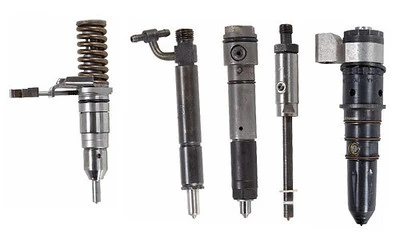
Diesel additives can indeed help prevent or reduce injector coking. Several studies have shown that additives, especially those containing detergents, can clean up to 90% of carbon deposits from injectors. These additives work by breaking down the carbon buildup and keeping the fuel system clean, which can improve fuel atomization and combustion. However, it’s important

Can Diesel Additives Help in Reducing Injector Coking? Read More »

Can Diesel Additives Help With Foaming During Refueling?

Foaming during diesel refueling can be an annoying and sometimes messy issue, causing delays and potential safety hazards. This foaming occurs when air becomes entrained in the fuel, leading to the formation of bubbles that can overflow or slow down the refueling process. For vehicle owners and operators, finding effective solutions to minimize this problem

Can Diesel Additives Help With Foaming During Refueling? Read More »

Do Diesel Additives Expire? Shelf Life, Storage and Safety

Yes, diesel additives can expire. Most diesel additives have a shelf life of 1 to 2 years, depending on the product and storage conditions. These additives, which might include detergents, lubricity enhancers, and cetane improvers, are usually packaged in bottles or cans. If they are stored in a cool, dry place and kept sealed, they

Do Diesel Additives Expire? Shelf Life, Storage and Safety Read More »

Do Diesel Additives Work in All Types of Diesel Engines?

Yes, diesel additives generally work in all types of diesel engines, including cars, trucks, boats, and heavy machinery. They can help improve fuel efficiency, reduce emissions, and keep the engine clean. However, it’s important to choose the right additive for your specific engine and fuel system. Always follow the manufacturer’s recommendations for the best results.

Do Diesel Additives Work in All Types of Diesel Engines? Read More »

Homemade Diesel Additive (Ingredient & Recipes I Follow)

Rev up your engines, DIY enthusiasts! Ever thought about giving your diesel a little extra love with a homemade touch? Buckle up because we’re diving into the world of homemade diesel additives – a concoction of ingredients from your kitchen and garage that could be the secret sauce to better fuel efficiency and a happier

Homemade Diesel Additive (Ingredient & Recipes I Follow) Read More »

Are Diesel Fuel Additives Worth It? When They Help—and When They Don’t

The effectiveness and value of diesel fuel additives can vary depending on various factors such as the specific additive, the condition of the engine, and the quality of the fuel being used. Here are some considerations, alright, let’s break it down: Fuel Quality: Engine Condition: Specific Additives: Putting it Together: Remember, not all additives are

Are Diesel Fuel Additives Worth It? When They Help—and When They Don’t Read More »

What Fuel Treatment Does GM Recommend for Diesel Engines?

General Motors (GM) recommends using specific fuel treatment products to maintain and improve the performance of their vehicles. For diesel engines, GM suggests using ACDelco Diesel Fuel Conditioner, ACDelco Diesel Fuel System Treatment Plus, Cold Flow Additive, and Fuel Maintenance products. These are designed to clean and prevent injector deposits, improve lubricity, and address issues

What Fuel Treatment Does GM Recommend for Diesel Engines? Read More »

Scroll to Top