

Meta description: Diesel generator sound effect changed? Learn what normal diesel clatter, fan noise, alternator hum, knocking, rattling, squealing, grinding, hissing, and surging can mean.
If your diesel generator suddenly sounds different, I would not ignore it. A healthy generator is never silent: you normally hear diesel combustion, mechanical clatter, cooling-fan airflow, exhaust pulses, and a steady electrical hum. What matters is whether the sound is consistent with the generator’s normal operating pattern or whether a new knock, rattle, squeal, grind, hiss, or uneven surge has appeared.
In this guide, I will show you how I separate normal diesel generator sounds from abnormal ones, what each sound commonly points to, how load and engine speed affect what you hear, and which noises mean you should shut the generator down immediately. The exact sound will vary by generator size, enclosure, engine design, mounting, load, exhaust system, and condition, so I always compare the machine against its own normal baseline first.
Quick Answer: What Should a Normal Diesel Generator Sound Like?
A normal diesel generator usually produces a steady combination of combustion clatter, low-frequency exhaust pulses, cooling-fan noise, vibration, and a smooth alternator hum. The sound may become deeper or louder when electrical load increases, but it should remain reasonably consistent. A sudden metallic knock, repetitive rattle, high-pitched squeal, grinding noise, air or exhaust hiss, rhythmic surging, or new vibration is not something I would consider normal until the cause has been identified.
| Sound | Usually Normal? | Common Source | My First Check |
|---|---|---|---|
| Steady diesel clatter | Often yes | Combustion and valvetrain | Compare with previous operation |
| Smooth fan roar | Usually yes | Cooling airflow | Check that airflow is unobstructed |
| Low electrical hum | Usually yes | Alternator and magnetic forces | Confirm voltage/frequency are stable |
| Metallic knock | No | Combustion, bearing, piston, injector, loose part | Reduce load and investigate promptly |
| Rattle | Usually no if new | Loose panel, exhaust, mount, bracket | Inspect fasteners and mounts |
| Squeal | No | Belt, pulley, bearing | Inspect belt tension and rotating accessories |
| Grinding | No | Bearing, fan contact, starter, rotating component | Shut down if severe |
| Hissing | Depends | Airflow, exhaust leak, boost leak, coolant/air leak | Find location before touching hot parts |
| Engine note rises and falls | No if persistent | Governor hunting, fuel/air problem, unstable load | Check load, fuel, filters and frequency |
Why Diesel Generators Are Naturally Noisy
I first want to clear up a common misunderstanding: a diesel generator can sound rough compared with a gasoline engine and still be operating normally. A diesel engine ignites fuel through high compression, and that creates a sharper combustion pressure rise. You also have injectors, valves, gears, the cooling fan, alternator, exhaust system, mounts, enclosure panels, and sometimes a turbocharger all producing their own sound.


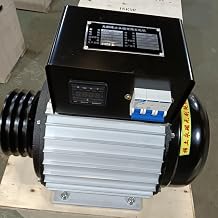
A generator set is also a machine that is intentionally held at a controlled speed so it can maintain electrical frequency. That steady operating speed makes certain sounds very noticeable. On a conventional four-pole generator, a 60 Hz set commonly runs around 1,800 rpm and a 50 Hz set around 1,500 rpm. Smaller two-pole designs may use approximately 3,600 rpm at 60 Hz or 3,000 rpm at 50 Hz. Always verify your specific generator because inverter and variable-speed systems work differently.
| Electrical Frequency | Typical 4-Pole Speed | Typical 2-Pole Speed | Why It Matters to Sound |
|---|---|---|---|
| 50 Hz | 1,500 rpm | 3,000 rpm | Lower mechanical speed generally changes pitch and vibration frequency |
| 60 Hz | 1,800 rpm | 3,600 rpm | Higher rotational speed can raise perceived pitch and fan noise |
The Best Diagnostic Tool Is Your Generator’s Normal Baseline
When I troubleshoot generator noise, I do not start by asking whether the machine is loud. I ask whether it is different from yesterday. A large open-frame diesel unit may sound harsh from the day it is installed. A sound-attenuated standby set may be comparatively quiet. The useful clue is a change.
I recommend learning how the generator sounds during four conditions: cold start, warm idle/no-load operation, moderate load, and heavy load. If possible, record a short video or audio clip when the generator is healthy. That gives you a reference when a future noise appears.
If you are mainly concerned about measured loudness rather than mechanical diagnosis, I would also read my guide to diesel generator noise levels. That article focuses on expected sound levels and noise control, while this guide focuses on what the sound itself may tell you about machine condition.
Normal Sound #1: Diesel Combustion Clatter
A regular metallic clatter is part of the normal diesel sound signature. The key word is regular. Each cylinder fires in sequence, so a healthy engine produces a repeating rhythm. Cold engines often sound sharper because the block, pistons, oil, and combustion chambers have not reached operating temperature.
If that clatter softens somewhat as the engine warms, I generally consider that a good sign. If one cylinder produces a noticeably harder knock than the others, or the clatter suddenly becomes much louder, I start looking at fuel injection, combustion quality, lubrication, and internal mechanical condition.
Normal Sound #2: Cooling Fan and Airflow Noise
A diesel generator can move a large volume of air. The radiator fan, alternator cooling fan, intake airflow, and ventilation system may create a constant roar or rushing-air sound. On enclosed generators, airflow noise can be one of the loudest components you hear outside the enclosure.
I become concerned when a previously smooth fan noise develops a tick, scrape, periodic rub, or wobbling sound. That can mean a fan blade is contacting a shroud, debris has entered the airflow path, a bearing is failing, or a mounting point has moved.
Normal Sound #3: Alternator Hum
The alternator can produce a steady electrical or magnetic hum. This should normally be smooth and consistent. The character may change somewhat with load because electrical current and magnetic forces change as the generator supplies more power.
A new loud buzz, vibration, or irregular electrical hum deserves attention, especially if it appears with unstable voltage, flickering lights, breaker trips, or overheating. If the engine runs normally but the electrical side seems wrong, my article on testing whether a diesel generator is working properly provides additional electrical checks.


Normal Sound #4: Exhaust Pulse
A healthy diesel exhaust has a repeating pulse that follows engine firing. The muffler should smooth much of the sharp combustion noise, but you will still hear a low-frequency exhaust note.
If the exhaust suddenly becomes much louder, sharper, or accompanied by a puffing or ticking sound, I inspect for a cracked exhaust manifold, loose flange, failed gasket, damaged flex section, loose silencer connection, or exhaust pipe leak.
Abnormal Sound #1: Deep Metallic Knocking
A new deep knock is one of the noises I take most seriously. Not every knock means catastrophic engine damage, but I would not keep operating a generator at heavy load until I understand the cause.
Possible causes include poor combustion, injector trouble, incorrect injection timing on applicable engines, excessive cylinder pressure, worn connecting-rod or crankshaft bearings, piston problems, or a loose mechanical component. Low oil level or loss of oil pressure can make an internal problem much worse very quickly.
If the knock is accompanied by a low-oil-pressure warning, metallic particles in the oil, falling oil pressure, overheating, or a sudden power loss, I shut the generator down. A severe bearing knock is not something I try to diagnose by repeatedly restarting the engine.
Abnormal Sound #2: Sharp Diesel Knock Under Load
Sometimes the engine sounds acceptable at no load but develops a much sharper combustion knock as electrical load increases. In that situation I look at fuel quality, injector condition, combustion balance, engine temperature, and whether the generator is being overloaded.
A generator that is struggling under excessive load may also bog, smoke, surge, or lose frequency. I cover that symptom in detail in Diesel Generator Bogs Down Under Load: Causes, Diagnosis, and Fixes.
Abnormal Sound #3: Rattling From the Enclosure or Frame
Rattling is extremely common, and fortunately it is often less serious than an internal engine knock. Thin enclosure panels, exhaust shields, battery trays, air-filter housings, cable trays, doors, guards, fasteners, and brackets can resonate at a particular engine speed.
I start with a visual walk-around while keeping clear of hot and moving parts. I look for loose hardware, a door that is not latched, a panel touching the frame, a broken rubber isolator, a loose exhaust clamp, or a component that moves excessively.
Do not place your hand near a fan, belt, pulley, alternator coupling, or hot exhaust component while the engine is running. If I cannot safely locate the rattle visually, I shut the generator down before touching anything.
Abnormal Sound #4: High-Pitched Squealing
A squeal often points me toward a belt, pulley, bearing, or rotating accessory. A slipping belt can squeal because it is loose, worn, glazed, contaminated, or overloaded. A failing idler, tensioner, water-pump bearing, alternator bearing, or fan bearing can also create a high-pitched sound.
The important clue is when the squeal occurs. If it is strongest immediately after starting and then fades, belt slip is one possibility. If it rises with engine speed and remains present, I become more suspicious of a bearing or pulley problem.
Abnormal Sound #5: Grinding
Grinding is a sound I treat as a shutdown-level warning until proven otherwise. Rotating metal parts should not normally grind against each other. Possible sources include damaged bearings, fan contact, starter engagement problems, coupling issues, or another rotating component touching a stationary surface.
If the grinding appears only during starting, I look closely at the starter motor and ring gear. If it continues after the engine is running, I shut the set down and inspect the rotating system before further operation.
Abnormal Sound #6: Clicking or Ticking
A light rhythmic tick can come from many places. Valve-train noise, injector operation, an exhaust leak, a loose shield, or a component touching another surface can all create a ticking sound.
An exhaust leak near the cylinder head or manifold often makes a sharp tick that follows engine speed. You may also see soot around the leaking joint. I never use my hand to feel for an exhaust leak on a running engine because exhaust components can cause severe burns.
Abnormal Sound #7: Hissing
A hiss may be completely normal airflow, so I pay attention to location and timing. Hissing from the intake tract under load can simply be airflow. But a new hiss may indicate an intake leak, turbocharger boost leak on a turbocharged engine, exhaust leak, cooling-system leak, or another pressure leak.
If the hiss is paired with low power and black smoke, I inspect the air-intake and boost path. If it is paired with coolant loss or steam, I stop the engine and investigate the cooling system after it has cooled. Never remove a hot pressurized radiator cap.
Abnormal Sound #8: Whistling
A mild turbo whistle can be normal on turbocharged diesel engines. What concerns me is a new whistle that is much louder than before or appears together with reduced power, smoke, or a change in boost response.
A damaged charge-air hose, loose clamp, intake restriction, exhaust leak ahead of the turbo, or turbocharger problem can alter the whistle. Again, the comparison with the generator’s historical sound is more valuable than simply deciding whether a whistle exists.
Abnormal Sound #9: Surging or Hunting
If the generator repeatedly speeds up and slows down, the sound often becomes a rising-and-falling roar. This is commonly called hunting or surging. I may also see frequency and voltage fluctuate.
Possible causes include unstable load, fuel starvation, air in the fuel system, dirty filters, governor problems, actuator problems, poor fuel quality, or control-system faults. Surging should not be confused with the brief response that occurs when a large load suddenly connects.
Because unstable engine speed can affect electrical output, I avoid powering sensitive equipment until the cause is corrected.
Abnormal Sound #10: Popping or Backfiring-Like Noise
Diesel engines do not behave exactly like spark-ignition engines, but owners sometimes describe a sharp exhaust pop as a backfire. Irregular combustion, injector problems, valve issues, poor compression, timing faults, or unburned fuel entering the exhaust can all create unusual popping.
If you also see white, black, or blue smoke, the exhaust color gives me another diagnostic clue. See my related guide on what black, white, and blue diesel-generator smoke mean.
Abnormal Sound #11: Loud Clanking
A loud clank is different from normal diesel clatter because it usually sounds heavier, more isolated, and mechanically wrong. I check the generator’s oil level, coolant level, mounting, enclosure, exhaust supports, fan area, and visible fasteners before restarting.
Caterpillar’s current generator troubleshooting guidance recommends beginning an unusual-noise complaint with a walk-around inspection for obvious damage, loose wires or cables, and correct fluid levels. If the unusual sound persists, the manufacturer recommends service rather than continuing to run the machine.
Abnormal Sound #12: Vibration That You Can Hear
Sometimes the noise is not really an engine noise at all—it is vibration being amplified by the base, enclosure, wall, floor, trailer, or nearby structure. All reciprocating diesel engines generate vibration, but excessive vibration can loosen hardware, damage components, and transmit noise into a building.
Caterpillar notes that improper mounting can intensify generator vibration and that excessive vibration can damage both the equipment and surrounding structure. I inspect anti-vibration mounts, anchor bolts, skid condition, exhaust flex connections, and whether the generator is contacting a wall, pipe, conduit, or other rigid structure.
How Generator Load Changes the Sound
A change in sound when load is applied is not automatically a fault. When you add electrical load, the engine has to produce more torque. Fuel delivery increases, exhaust energy rises, turbocharger activity may increase, and fan or airflow noise can become more noticeable.
| Approximate Load | What I May Hear | Usually Acceptable? | Warning Signs |
|---|---|---|---|
| 0–25% | Light combustion note, fan and mechanical noise dominate | Yes | Hunting, misfire, severe rattle |
| 25–50% | Deeper exhaust note, stable engine rhythm | Yes | Sharp knock or unstable speed |
| 50–75% | Stronger combustion/exhaust and airflow sound | Yes if steady | Squeal, grinding, heavy vibration, smoke |
| 75–100% | Louder engine, exhaust and cooling-system noise | Usually, within rating | Bogging, frequency drop, hard knock, overheating |
| Over 100% rated load | Engine laboring, speed drop, harsh exhaust note | No | Overload trip, smoke, overheating, shutdown |
I do not diagnose a generator by sound alone. I compare the sound change with load percentage, frequency, voltage, exhaust smoke, coolant temperature, oil pressure, and controller alarms.
Does a Loud Generator Mean It Is Overloaded?
Not necessarily. A generator will normally become louder under load because the engine burns more fuel and produces more exhaust and heat. But if the sound changes from a steady working note to an obvious laboring, knocking, surging, or bogging sound, I check the load immediately.
Use the generator’s kW or kVA rating and remember that large motors, compressors, pumps, and air-conditioning equipment may have high starting demand. Repeated overload can cause overheating, frequency drop, voltage problems, smoke, and protective shutdown.
What a Loose Engine Mount Sounds Like
A worn or loose mount often produces a thump, rattle, or booming vibration that becomes especially noticeable when the engine starts, stops, or accepts a sudden load. Rubber isolators can harden, crack, separate, or compress with age.
If I suspect mounts, I inspect them with the engine off. I look for torn rubber, metal-to-metal contact, missing hardware, uneven compression, or the engine/generator assembly sitting differently than before.
What a Bad Bearing Can Sound Like
Bearing noise varies. A damaged bearing may rumble, growl, whine, grind, or produce a repeating roughness that follows rotational speed. Possible bearing locations include the alternator, fan, idler, water pump, tensioner, starter, turbocharger, and internal engine components.
A mechanic may isolate the source with vibration tools, a mechanic’s stethoscope, temperature measurements, oil analysis, or component-specific testing. I would not place a listening tool against rotating equipment unless I am trained to do so safely.
What a Bad Injector Can Sound Like
A faulty injector can change combustion enough to produce a sharper knock or uneven cylinder rhythm. Other clues can include rough running, difficult starting, abnormal exhaust smoke, loss of power, high fuel consumption, or uneven exhaust temperatures between cylinders.
Modern common-rail diesel systems operate at extremely high pressure. I do not loosen high-pressure injection lines on a running engine to “see which cylinder changes.” High-pressure fuel can penetrate skin and cause severe injury. Diagnosis should use the manufacturer’s approved electronic and fuel-system procedures.
What Low Oil Pressure May Sound Like
Oil pressure itself does not have a unique sound. The danger is that inadequate lubrication can allow bearings, crankshaft journals, camshaft components, turbocharger bearings, and other parts to wear or knock.
If a new metallic sound appears together with a low-oil-pressure warning, I shut the generator down and check the oil level and fault information. Do not assume adding oil solves the problem; low oil pressure can also result from pump, bearing, filter, sensor, viscosity, or internal-engine issues.
Can Dirty Fuel Change Generator Sound?
Yes. Poor fuel quality can change ignition delay and combustion consistency. Water, microbial contamination, wrong fuel, clogged filters, air leaks, or restricted supply can make the engine misfire, surge, knock, or run unevenly.
If the generator sound changed shortly after refueling, I consider fuel quality early in the diagnosis. If you suspect contamination, see my guide to water in diesel fuel and its symptoms.
Can a Dirty Air Filter Make a Generator Sound Different?
It can. A severely restricted air filter changes combustion and can make the engine labor under load. You may also see black smoke or reduced power. Caterpillar’s troubleshooting guidance specifically includes checking the air filter when a generator engine runs roughly.
I inspect the restriction indicator if the generator has one and follow the manufacturer’s service procedure rather than removing the filter and operating the engine unfiltered.
Sound Plus Smoke: A Useful Diagnostic Combination
| Sound | Smoke | Possible Direction |
|---|---|---|
| Laboring / bogging | Black | Overload, air restriction, boost problem, excess fueling |
| Uneven firing | White | Cold combustion, injector issue, low compression, timing or fuel problem |
| Rough / irregular | Blue | Oil burning, turbo or internal wear |
| Sharp hiss / whistle | Black | Intake or boost leak on turbocharged engine |
My Step-by-Step Process for Diagnosing a New Generator Sound
- Reduce or remove electrical load. I first see whether the sound changes as load is reduced.
- Check the controller. I look for alarms, warnings, voltage, frequency, oil pressure, coolant temperature, and load percentage.
- Observe exhaust smoke. Color and quantity can help separate combustion, air, fuel, and oil issues.
- Perform a safe walk-around. I look for loose panels, cables, exhaust supports, leaks, damaged mounts, and visible vibration while keeping away from hot and moving components.
- Check fluid levels after safe shutdown. Oil and coolant conditions matter when abnormal mechanical noises appear.
- Inspect air and fuel service items. Filters, fuel quality, water separators, and restrictions can alter the engine note.
- Check belts and rotating accessories. I inspect these only with the engine stopped and secured from starting.
- Compare cold, warm, no-load, and loaded behavior. The timing of the sound often narrows the cause.
- Review maintenance history. A noise appearing after service may point to a loose panel, belt adjustment, filter housing, exhaust connection, or other recently disturbed part.
- Stop testing if the sound is severe. Grinding, heavy knocking, loss of oil pressure, overheating, or violent vibration is not something I repeatedly reproduce for diagnosis.
When Should I Shut the Generator Down Immediately?
I would stop the generator as soon as practical if I hear a severe metallic knock, heavy grinding, repeated hard clanking, fan contact, or rapidly worsening vibration. I also shut it down when abnormal noise appears together with low oil pressure, high coolant temperature, major fluid leakage, smoke from wiring, burning odor, uncontrolled speed, or obvious mechanical damage.
For broader troubleshooting beyond noise, see 17 Common Problems With Diesel Generators.
How Much Generator Noise Is Too Much?
There is no single decibel number that tells me a generator is mechanically unhealthy. Sound level depends on generator size, distance, enclosure design, exhaust silencing, load, surroundings, and measurement method. Caterpillar notes that generator-set sound measurements are taken at fixed positions around the machine and must be treated logarithmically rather than as a simple arithmetic average.
That is why I do not diagnose a bearing or injector by decibel level alone. A modest increase in overall dB may come from load or enclosure conditions, while a relatively small but new high-frequency squeal may indicate a real mechanical problem.
Why Location Changes What the Generator Sounds Like
Concrete walls, metal roofs, corners, narrow alleys, trailers, and equipment rooms can reflect or amplify particular frequencies. A generator may sound much louder after being moved even though nothing is mechanically wrong.
Likewise, a loose enclosure panel can act like a speaker. Before concluding that the engine suddenly became louder, I check whether the machine, doors, ventilation panels, exhaust routing, or surrounding structures have changed.
How to Reduce Normal Generator Sound Without Hiding a Problem
If the generator is mechanically healthy but simply too loud, sound attenuation may include a properly designed enclosure, better exhaust silencing, vibration isolation, acoustic barriers, correct mounting, and improved site layout. Ventilation must never be sacrificed just to make the generator quieter because inadequate cooling air can cause overheating.
Maintenance matters too. Loose panels, damaged mounts, failing mufflers, worn belts, and unbalanced fans can add unnecessary sound. A regular service program can catch these before the noise becomes severe. My guide on how often diesel generators should be serviced can help you build that schedule.
Normal vs. Abnormal Diesel Generator Sounds: Final Checklist
| Observation | Likely Priority | What I Would Do |
|---|---|---|
| Same steady clatter as always | Low | Continue normal monitoring |
| Slightly louder under normal load | Low | Check load and gauges |
| New panel rattle | Moderate | Shut down and inspect hardware/mounts |
| Persistent squeal | Moderate to high | Inspect belts, pulleys and bearings |
| Rising/falling engine note | Moderate to high | Check load, frequency, fuel and governor system |
| Heavy metallic knock | High | Unload/shut down and diagnose |
| Grinding or fan contact | High | Shut down immediately if severe |
| Noise plus low oil pressure or overheating | Critical | Stop operation and investigate before restart |
Frequently Asked Questions
Why does my diesel generator sound louder than usual?
A louder-than-usual generator can be caused by increased load, a loose enclosure panel, exhaust leak, damaged muffler, worn mount, fan problem, intake restriction, combustion problem, or internal mechanical wear. I compare the new sound with load, smoke, temperature, oil pressure, and frequency before deciding where to investigate.
Is diesel engine knocking normal?
A certain amount of sharp combustion clatter is normal for many diesel engines. A new, deeper, isolated, or much louder knock is different and should be investigated. If it appears with low oil pressure, smoke, overheating, or power loss, I stop the generator rather than continuing to test it under load.
Why does my generator rattle only under load?
More torque and vibration under load can excite a loose panel, mount, exhaust bracket, heat shield, cable tray, or other component. Load can also expose engine or combustion problems that are not obvious at no load. I reduce the load and see whether the rattle changes, then inspect the machine after shutdown.
Why does my diesel generator squeal when starting?
A brief squeal at startup can come from a slipping belt or rotating accessory. I inspect belt condition and tension, pulleys, tensioners, fan bearings, water-pump bearings, and alternator bearings according to the manufacturer’s procedure.
Why is my generator making a humming sound?
A steady low alternator hum can be normal. A new or unusually loud buzz or hum, especially with unstable voltage, excessive vibration, overheating, or breaker problems, should be investigated on the electrical side.
Why does my generator sound like it is revving up and down?
That is often described as hunting or surging. Possible causes include changing load, fuel starvation, air in the fuel system, restricted filters, governor/actuator problems, or control issues. I also check the output frequency because engine-speed instability usually affects frequency on conventional synchronous generators.
Can a generator sound different in cold weather?
Yes. Cold oil, colder combustion chambers, battery condition, fuel behavior, and longer warm-up can make a diesel engine sound sharper immediately after startup. The sound should generally stabilize as the engine reaches operating condition. For cold-weather operation, see Winter Maintenance for Diesel Generators.
Should I record my generator sound for diagnosis?
Yes. I like having a short recording of the generator when it is healthy and another when the abnormal noise occurs. Record from a safe distance and note whether the machine is cold or warm and what load it is carrying. A recording cannot replace inspection, but it can help a technician understand when the sound occurs.
Final Thoughts
A diesel generator sound effect is useful diagnostic information when you know what you are listening for. Normal operation usually includes steady combustion clatter, airflow, exhaust pulse, vibration, and alternator hum. What gets my attention is a change: a new knock, rattle, squeal, grind, hiss, whistle, surge, or vibration pattern that was not there before.
I start with the safest and simplest checks—load, controller readings, visible damage, loose hardware, fluid levels, filters, mounts, belts, and exhaust components. I stop testing when the sound suggests serious mechanical contact or when it appears with low oil pressure, overheating, uncontrolled speed, major leakage, or severe vibration.
The goal is not to make every diesel generator quiet. The goal is to learn what your generator sounds like when it is healthy so you can recognize the sound of a developing problem before it turns into a costly failure.